
Gadgets and Tech
8 min read
What to Look for When Buying a Full-Body Red Light Therapy Panel
September 30 , 2025
By Sienna Claire
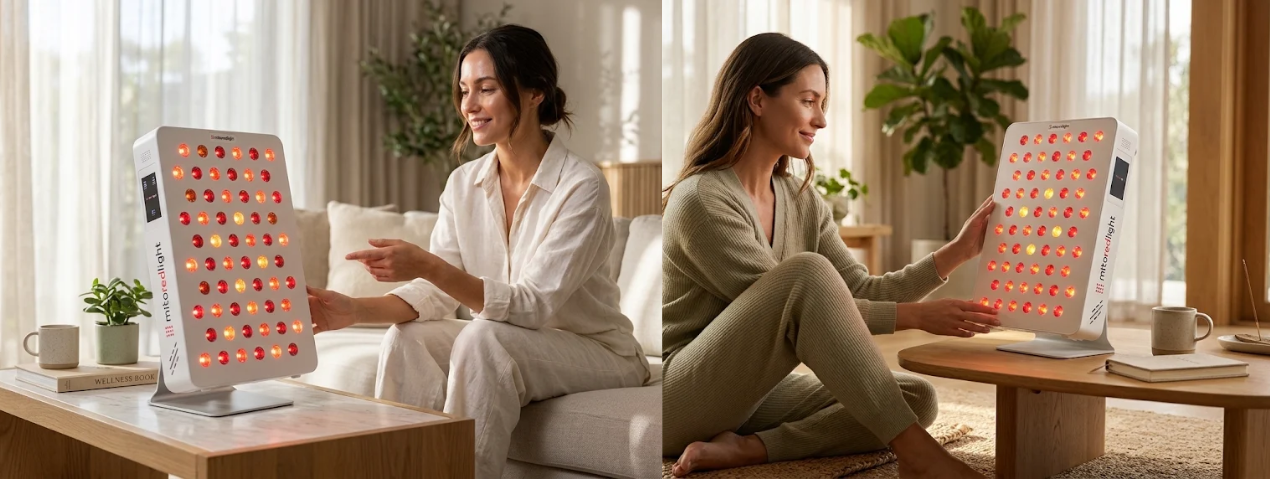
Red light therapy has become an increasingly popular addition to home wellness routines. Instead of scheduling frequent appointments at specialized facilities, people can explore light-based wellness devices in the comfort of their own homes. However, choosing the right equipment requires more than comparing prices or counting the number of LEDs. Factors such as treatment area, wavelength selection, device controls, safety certifications, and everyday convenience all influence the buying decision.
Red light therapy has become an increasingly popular addition to home wellness routines. Instead of scheduling frequent appointments at specialized facilities, people can explore light-based wellness devices in the comfort of their own homes. However, choosing the right equipment requires more than comparing prices or counting the number of LEDs. Factors such as treatment area, wavelength selection, device controls, safety certifications, and everyday convenience all influence the buying decision.
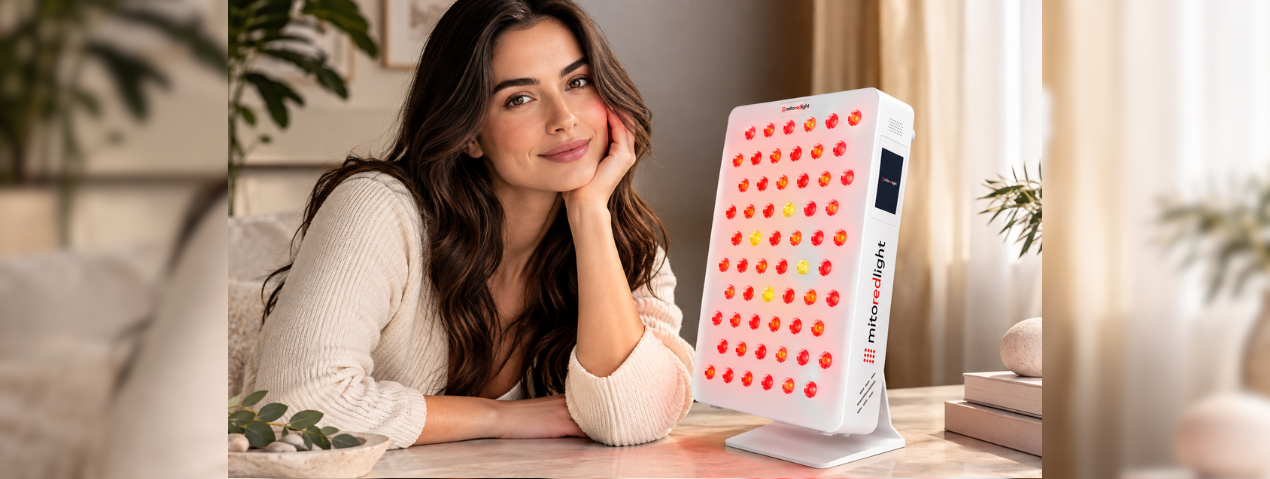
A full-body red light therapy panel can be a significant investment, making it important to understand the features that distinguish one model from another. Mito Red Light offers several panel options designed for different preferences, including the MitoPRO X Series, MitoPRO Series, and MitoADAPT Series. Understanding the differences can help shoppers identify a panel that fits their space, budget, and wellness goals.
Understanding Red Light Therapy Panels
Red light therapy uses specific wavelengths of visible red light and near-infrared light. This approach is commonly described as photobiomodulation, a field of research exploring how light interacts with biological tissues.
Red wavelengths are generally associated with applications involving the skin's surface, while near-infrared wavelengths can penetrate farther into tissue. Research is investigating potential applications in areas such as skin health, exercise recovery, and pain management, although outcomes depend on the condition, treatment parameters, and available evidence.
Unlike small handheld devices, larger panels can illuminate a broader area during a session. This makes panel size and positioning important considerations for anyone interested in incorporating red light therapy into a regular home routine.
1. Consider the Treatment Area and Panel Size
One of the first decisions involves determining which parts of the body the panel should cover. A compact device may be suitable for targeted areas, while a larger panel can provide more extensive coverage.
For example, a tabletop panel may suit someone primarily interested in the face, neck, or another limited area. A medium-sized panel can provide greater flexibility for the upper or lower body. Full-body configurations are worth considering for shoppers who want to illuminate a larger portion of the body without repeatedly repositioning a smaller device.
Mito Red Light offers different panel sizes across its product families, including configurations intended for targeted use, partial-body coverage, and larger treatment areas.
Before purchasing, it helps to measure the available floor or wall space and consider how the panel will be mounted. A device that offers extensive coverage but does not fit comfortably into the home may become inconvenient to use consistently.
2. Compare the Available Wavelengths
Wavelength selection is another important specification. Red light therapy panels can combine several wavelengths, each occupying a particular part of the light spectrum.
The MitoPRO+ Series uses four wavelengths: 630nm, 660nm, 830nm, and 850nm. This combination brings together red and near-infrared light in a straightforward configuration.
The MitoPRO X Series expands the selection to six wavelengths: 590nm, 630nm, 660nm, 810nm, 830nm, and 850nm. The additional wavelengths provide more spectral variety for people who want a broader selection of light options.
The MitoADAPT 4.0 Series incorporates eight wavelengths: 590nm, 630nm, 660nm, 670nm, 810nm, 830nm, 850nm, and 940nm. Its expanded spectrum is designed to support a greater variety of operating modes.
More wavelengths do not automatically guarantee better results. The most appropriate choice depends on the intended application, the device's overall design, and the evidence supporting the specific treatment approach. Shoppers should evaluate wavelength specifications alongside other features rather than treating the highest number as the only deciding factor.
3. Evaluate Power Output and Independent Testing
Power output and irradiance are frequently discussed when comparing red light therapy panels. Irradiance describes the amount of light power reaching a particular area, typically expressed in milliwatts per square centimeter.
However, reported irradiance values can differ depending on measurement equipment, distance from the panel, and the testing method. Measurements from consumer meters may not be directly comparable with those obtained using professional spectroradiometers.
Reliable product information should explain how performance figures were measured and whether independent testing supports the claims.
Mito Red Light publishes third-party testing information for its panel range. Reviewing the technical documentation can help shoppers make a more informed comparison instead of relying exclusively on headline power figures or marketing descriptions.
It is also important to remember that higher irradiance is not necessarily better for every application. Appropriate exposure depends on factors such as wavelength, distance, duration, and individual circumstances.
4. Look at Controls, Modes, and Customization
A panel's controls can influence how easily it fits into an everyday wellness routine. Some shoppers prefer a simple interface with minimal adjustments, while others want greater control over their light settings.
The MitoPRO+ Series focuses on straightforward operation and offers a four-wavelength configuration with basic operating modes.
The MitoPRO X Series adds a touchscreen interface, brightness adjustment, and mobile app connectivity. These features may appeal to users who prefer a more interactive experience and greater control over their sessions.
The MitoADAPT 4.0 Series is designed for people seeking extensive customization. Its eight-wavelength architecture supports 11 operating modes, allowing different combinations of red and near-infrared wavelengths.
When comparing these options, shoppers should consider whether advanced controls would be genuinely useful. A straightforward interface may be sufficient for someone who values simplicity, while experienced users may appreciate the additional flexibility of a more configurable system.
5. Check Safety Certifications and Eye Protection
Safety deserves careful attention when selecting any light-based device. A well-designed panel should provide clear operating instructions, appropriate electrical safety information, and guidance on exposure.
Mito Red Light lists safety certifications and technical documentation for its product families, with specific certifications varying by series and model. Buyers should verify the certification details on the exact product page rather than assuming that every model carries identical credentials.
Eye protection is another consideration. Bright light sources can cause discomfort or pose risks under certain exposure conditions. Following the manufacturer's instructions for eye protection, recommended distance, and session duration is essential.
People with light sensitivity, relevant medical conditions, or medications that increase photosensitivity should consult a qualified healthcare professional before beginning treatment. Red light therapy should not replace appropriate medical evaluation or prescribed care.
6. Compare the Mito Red Light Panel Series
Choosing between the three main product families becomes easier when their defining features are considered together.
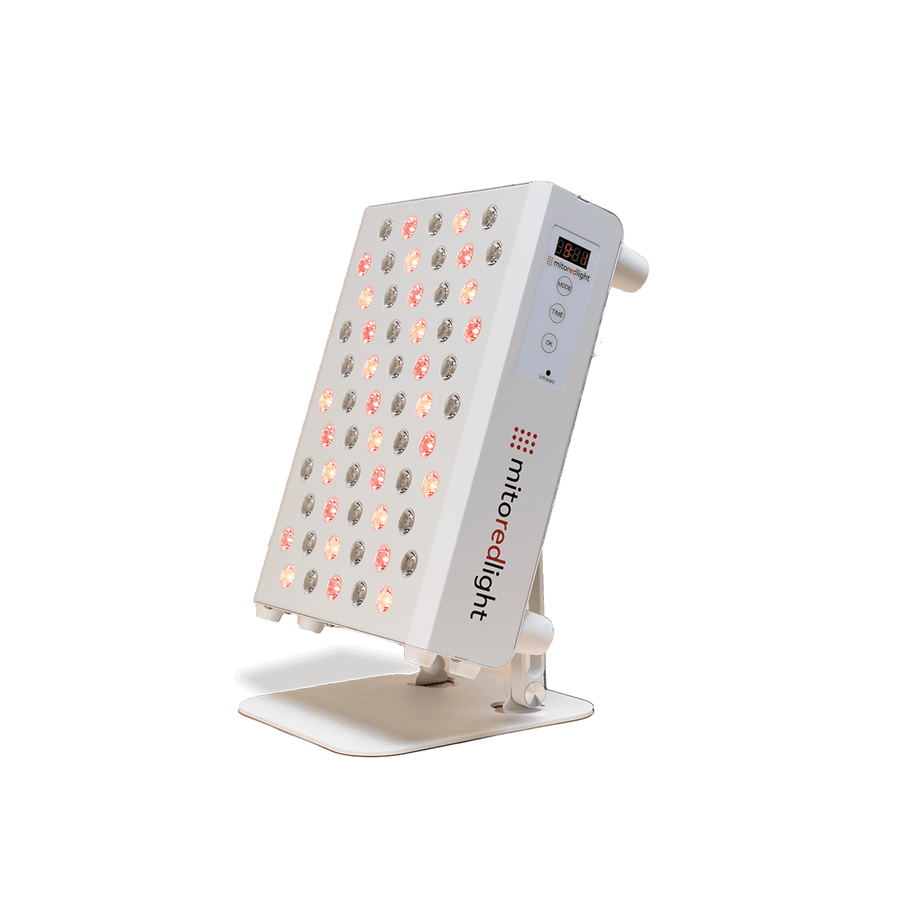
MitoPRO+ Series: Straightforward Functionality
The MitoPRO+ Series is a practical option for shoppers who prioritize a focused wavelength selection and uncomplicated controls. Its four-wavelength design provides red and near-infrared light without requiring users to navigate extensive customization options.
It may suit first-time buyers who want to understand the basics of panel-based light therapy before investing in more advanced features.
MitoPRO X Series: Advanced Everyday Control
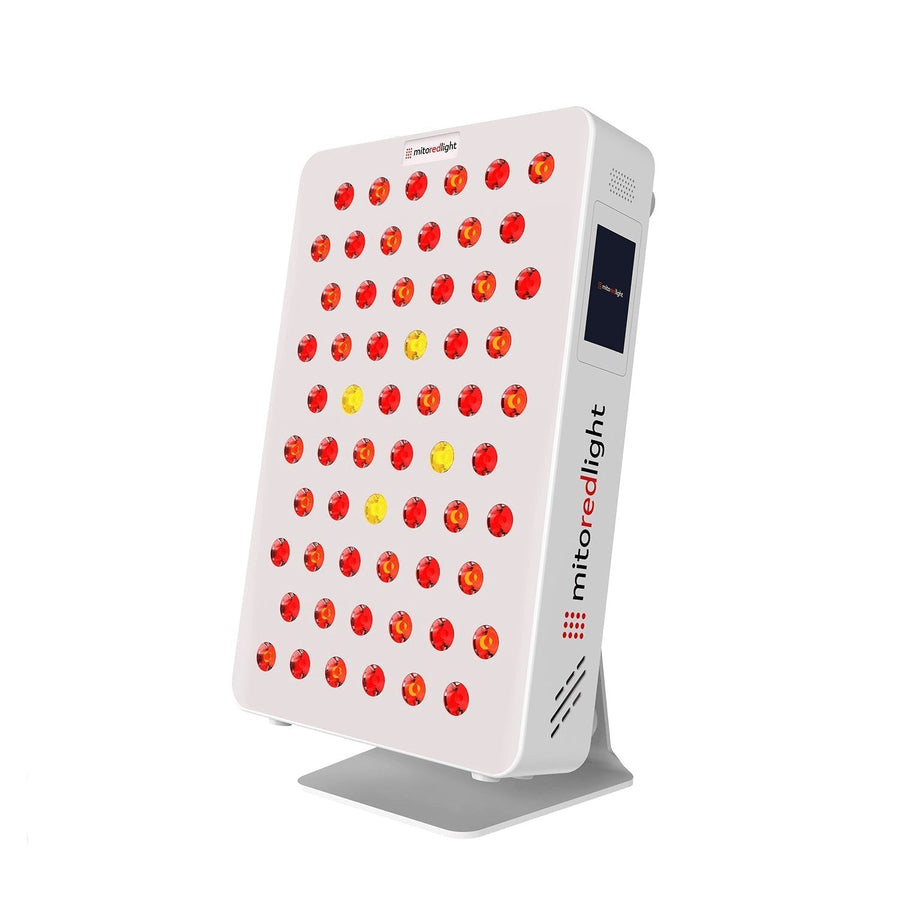
The MitoPRO X Series combines six wavelengths with touchscreen controls, brightness adjustment, and app integration. It offers a middle ground between straightforward operation and expanded customization.
For shoppers who want additional control over their sessions without the 11-mode architecture of the MitoADAPT range, this series deserves consideration.
MitoADAPT 4.0 Series: Greater Protocol Flexibility
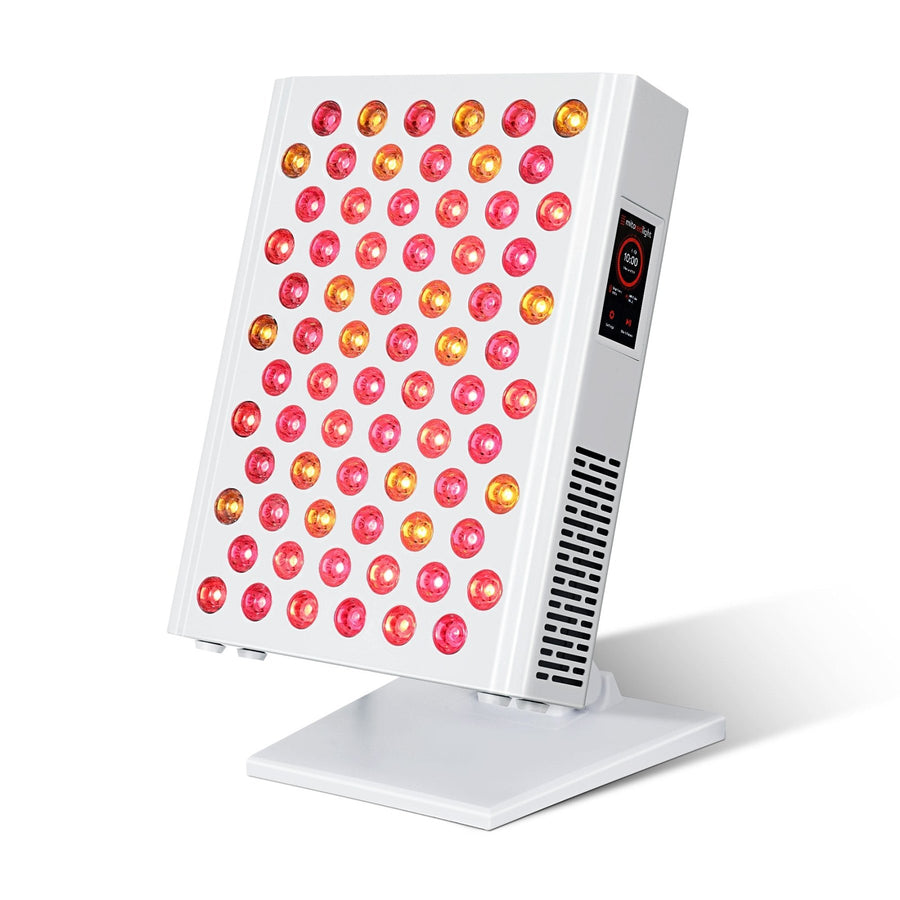
The MitoADAPT 4.0 Series is designed around an eight-wavelength configuration and 11 operating modes. This broader range of settings may appeal to experienced users, practitioners, or households that prioritize flexibility.
Its additional capabilities should be weighed against the purchase price and the likelihood that the extra modes will be used regularly.
7. Consider the Total Cost and Long-Term Convenience
The initial purchase price is only one part of the buying decision. Accessories, mounting equipment, available space, warranty coverage, and return policies can also affect the overall value of a panel.
A smaller model may cost less and require less room, while a full-body configuration may better match the needs of someone prioritizing wider coverage. Larger systems can also require more substantial mounting arrangements.
Mito Red Light provides different panel sizes and configurations across its product families, allowing shoppers to compare options according to their budget and intended setup.
Before committing, buyers should review current pricing, included accessories, warranty terms, shipping information, and the applicable return policy. These details can change, so the official product pages are the best place to confirm current conditions.
Conclusion
Choosing a full-body red light therapy panel requires a careful assessment of coverage, wavelengths, output measurements, controls, safety information, and overall cost. The right device is not necessarily the largest or the one with the most advanced specifications. It is the model whose features align with the user's practical requirements and intended use.
Mito Red Light offers distinct approaches through the MitoPRO+ Series, MitoPRO X Series, and MitoADAPT 4.0 Series. The first emphasizes straightforward functionality, the second introduces expanded wavelength options and connected controls, and the third provides a broader range of wavelengths and operating modes.
By comparing these differences and reviewing the supporting technical documentation, shoppers can make a more informed decision about bringing red light therapy equipment into their home wellness routine.
live smarter
Shop smarter, live better, and stay ahead of the trends with our reliable recommendations!

Health and Beauty
13 min read
MitoPRO X vs. MitoADAPT 4.0: Which Red Light Therapy Panel Is Right for Different Needs?


Fitness and Sports
7 min read
Teeter Home Fitness Essentials: FitSpine LX9, FreeStep LT7, and ProFlex 432 for Recovery, Cardio, and Strength

trending
Gadgets and Tech
9 min read
Happy Customers Can Become Your Strongest Online Proof
Fashion
9 min read
A Smarter Way to Pack for Your Next Round of Golf
Home and Decor
6 min read
Simple Kitchen Essentials That Make Home Cooking Easier
Health and Beauty
9 min read
Thinning Hair Deserves a Smarter Everyday Routine
Fitness and Sports
15 min read
How to Make a Daily Vitamin Routine More Enjoyable and Consistent
Travel
7 min read