
Home and Decor
11 min read
How Smart Pet Technology Is Changing the Way We Care for Cats at Home
June 08 , 2026
By Sienna Claire
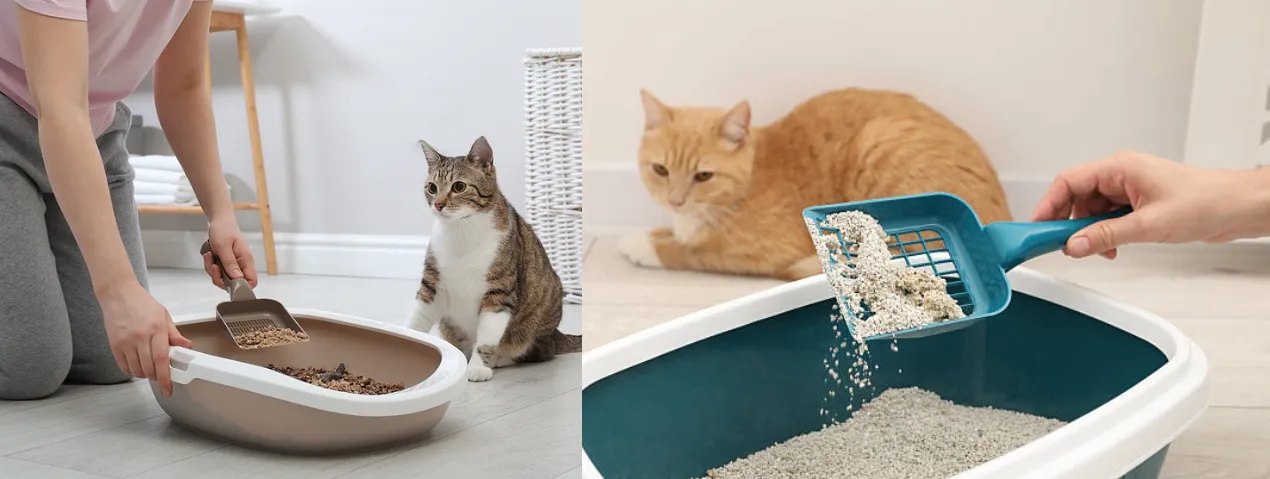
Modern pet care has evolved far beyond traditional food bowls and manual litter scooping. Today’s cat owners are increasingly turning to smart pet technology to simplify daily
Modern pet care has evolved far beyond traditional food bowls and manual litter scooping. Today’s cat owners are increasingly turning to smart pet technology to simplify daily routines, improve consistency, and stay connected with their pets even when they are away from home. As connected devices become more common in households, automated cat care products are helping create healthier lifestyles for both pets and their owners.
From app-controlled feeding schedules to self-cleaning litter boxes and camera-enabled monitoring systems, smart pet devices are transforming the way people manage everyday cat care. Busy professionals, remote workers, frequent travelers, and multi-cat households are all discovering the benefits of automation and connected pet home technology.
These innovations are not designed to replace human interaction. Instead, they support more reliable routines, better monitoring, cleaner environments, and greater peace of mind. Smart pet technology allows owners to spend less time worrying about repetitive tasks and more time focusing on bonding with their cats.
As the demand for automated pet care continues to grow, products like the PETLIBRO Luma Smart Litter Box, Granary Camera Monitoring Feeder Double Food Tray, and PETLIBRO 5G WiFi Automatic Pet Feeder are helping shape the future of modern cat ownership.
The Growing Popularity of Smart Pet Technology
Technology has transformed nearly every aspect of modern life, including the way people care for their pets. Smart thermostats, security systems, robotic vacuums, and voice assistants have become common household tools. Now, pet care devices are joining the connected home ecosystem.
Many cat owners lead busy schedules that involve long workdays, travel, commuting, and family responsibilities. Even highly dedicated pet parents can struggle to maintain perfectly consistent feeding times or stay on top of litter box maintenance every single day. Smart pet devices help reduce those challenges through automation and remote accessibility.
The increasing popularity of automated cat care also reflects changing attitudes toward pet wellness. Cats are no longer viewed simply as household animals. For many people, they are family members whose health, comfort, and routines matter deeply. As a result, owners are investing in products that support better care and more reliable monitoring.
Connected pet devices offer several practical advantages, including:
- Consistent feeding schedules
- Remote monitoring through mobile apps
- Automated litter cleaning
- Reduced household odors
- Better routine management
- Improved convenience for multi-cat homes
- Easier tracking of eating and litter habits
These features make smart pet technology appealing to a wide range of households, from first-time cat owners to experienced pet parents managing several cats.

Why Consistent Routines Matter for Cats
Cats thrive on consistency. Predictable feeding times, clean litter spaces, and stable daily patterns help reduce stress and support healthy behavior. Even small disruptions in routine can affect a cat’s eating habits, litter usage, mood, or overall comfort.
This is one reason automated cat care devices have become so valuable. Smart technology helps maintain regularity even when owners are busy or away from home.
For example, scheduled feeding systems ensure meals are delivered at the same time every day. Automated litter maintenance keeps the litter area cleaner throughout the day rather than waiting for manual scooping. Camera monitoring systems allow owners to check on their pets remotely and confirm that routines are being followed.
Consistency can be especially important for:
- Indoor cats
- Senior cats
- Cats with sensitive stomachs
- Multi-cat households
- Cats prone to anxiety
- Owners with unpredictable schedules
Connected pet home technology helps remove some of the unpredictability from daily care, creating a more stable environment for cats.
How Smart Feeders Are Revolutionizing Daily Feeding Routines
Feeding routines are one of the biggest areas where smart technology has changed pet care. Traditional feeding methods often rely on owners remembering exact meal times or manually measuring portions throughout the day.
Automatic feeders simplify this process while helping create more reliable eating schedules.
The PETLIBRO 5G WiFi Automatic Pet Feeder is designed to support scheduled feeding through app-based controls and wireless connectivity. Owners can create customized meal schedules, manage portions, and monitor feeding times directly from their smartphones.
This level of control can be particularly useful for busy households where daily schedules frequently change. Even if an owner is working late, commuting, or temporarily away from home, the feeding routine remains consistent.
Consistent feeding schedules can help support:
- Portion control
- Healthy eating habits
- Weight management
- Reduced overeating
- Predictable meal timing
- Reduced stress around feeding
Smart feeders also help eliminate some of the guesswork that comes with manual feeding. Instead of relying on memory or inconsistent schedules, automation creates dependable routines that cats quickly learn to expect.
Another advantage of connected feeding systems is convenience during short trips or long workdays. While smart feeders should never fully replace proper pet supervision, they can help ensure meals stay on schedule during busy periods.

The Rise of Camera-Enabled Pet Monitoring
One of the most significant developments in smart pet technology is the integration of cameras into everyday pet devices. Pet owners increasingly want visibility into their cats’ daily routines, especially when spending time away from home.
The PETLIBRO Granary Camera Monitoring Feeder Double Food Tray combines feeding automation with remote monitoring capabilities. This allows owners to visually check on their cats during mealtime through connected mobile features.
Camera-enabled feeders offer several practical benefits:
- Confirming that pets are eating normally
- Monitoring multiple cats during feeding
- Observing behavior changes
- Checking food availability
- Interacting remotely with pets
- Providing reassurance while away
For many cat owners, peace of mind is one of the biggest advantages of smart pet devices. Being able to check on a pet remotely can help reduce anxiety and uncertainty during long workdays or travel.
Camera systems can also be useful in multi-pet households where feeding dynamics may vary between cats. Some cats eat too quickly, while others may become hesitant around shared feeding spaces. Monitoring feeding behavior helps owners better understand their pets’ habits and make adjustments if necessary.
The double food tray design is especially practical for homes with more than one cat, helping create a more organized feeding setup while maintaining automation benefits.
Smart Litter Boxes and the Future of Litter Maintenance
Litter box cleaning is one of the least enjoyable parts of cat ownership, but it remains one of the most important. Cats prefer clean litter environments, and poor litter maintenance can sometimes lead to behavioral issues or litter box avoidance.
Smart litter boxes are changing how owners approach this daily responsibility.
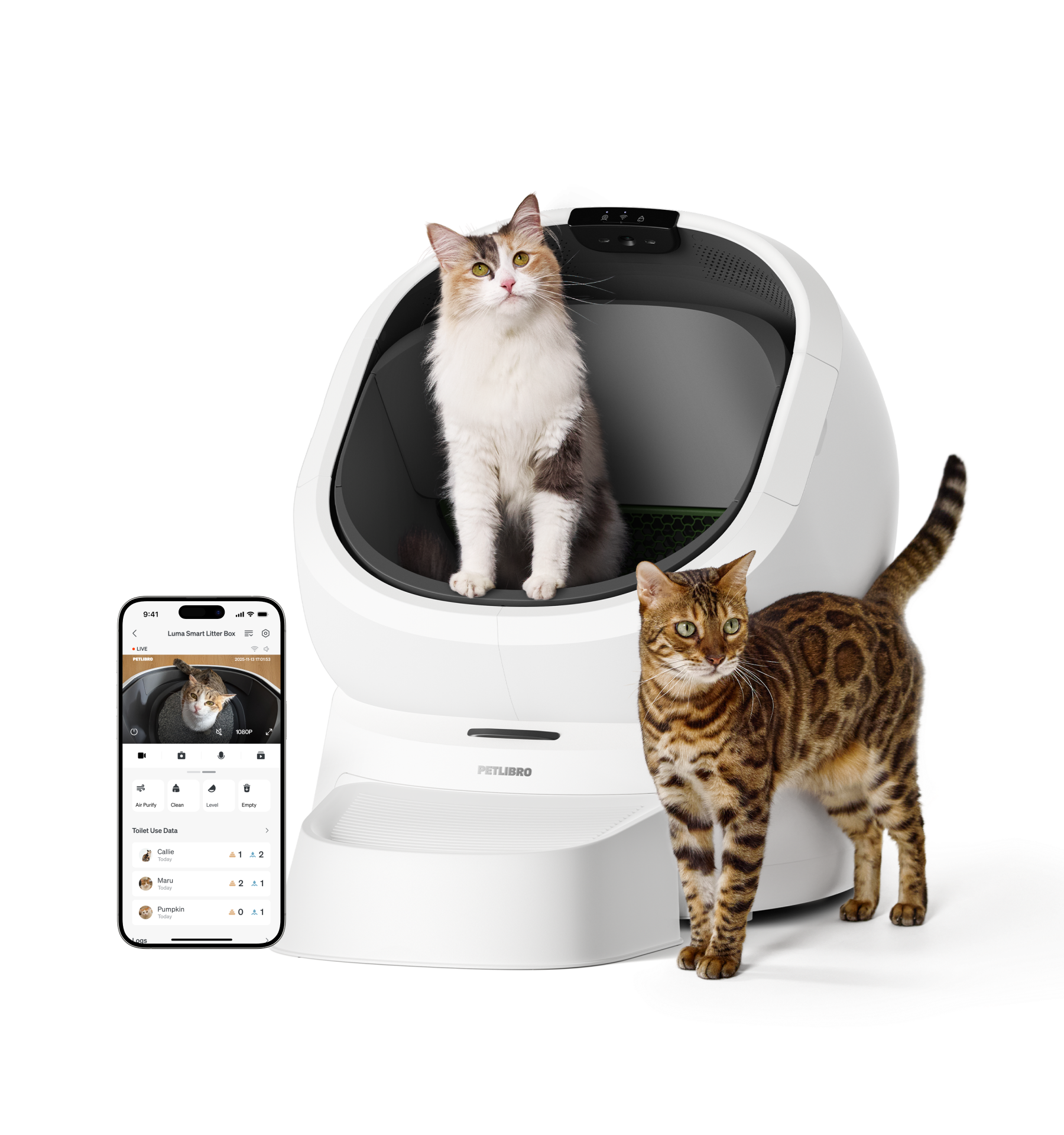
The PETLIBRO Luma Smart Litter Box uses automation to simplify litter maintenance while helping create a cleaner home environment. Self-cleaning systems reduce the need for constant manual scooping and help maintain a fresher litter area throughout the day.
Automated litter boxes are becoming increasingly popular because they offer benefits for both cats and owners.
Advantages include:
- Reduced manual scooping
- More consistent litter cleanliness
- Better odor control
- Easier maintenance
- Improved convenience for busy households
- Cleaner environments for cats
In addition to automation, some smart litter systems also help owners monitor litter box activity and behavior patterns. Changes in litter usage frequency can sometimes provide early insight into potential health concerns or stress-related behavior changes.
This behavior tracking aspect represents an important shift in modern pet care. Smart pet devices are no longer focused only on convenience. They are increasingly designed to help owners become more aware of their pets’ daily habits and wellness patterns.
How Connected Pet Homes Are Becoming More Common
The concept of a connected pet home continues to grow as more devices integrate with mobile apps and wireless networks. Instead of isolated products, many smart pet devices now work together as part of a larger home ecosystem.
A connected pet home may include:
- Automatic feeders
- Smart litter boxes
- Camera monitoring systems
- Water fountains
- Activity trackers
- Mobile notifications
- Remote controls
This level of integration allows owners to manage multiple aspects of pet care from a single smartphone app or connected system.
For example, a cat owner may receive notifications about feeding schedules, monitor meal activity remotely, and check litter box maintenance updates all within the same connected environment.
This convenience is especially valuable for people with demanding schedules or frequent travel obligations. Instead of worrying about whether tasks were completed manually, automation provides reassurance and consistency.
The rise of smart pet technology also reflects broader trends in home automation. As consumers become more comfortable using connected devices in everyday life, pet care products naturally become part of the smart home experience.
Why Smart Pet Devices Appeal to Busy Pet Parents
Modern lifestyles can make routine pet care more challenging than many people expect. Long commutes, remote work meetings, unpredictable schedules, and family responsibilities all compete for attention during the day.
Smart pet devices help simplify repetitive tasks while supporting healthier routines.
Busy pet parents are drawn to automated cat care because it offers:
- Time-saving convenience
- More consistent routines
- Easier household management
- Better remote visibility
- Reduced stress
- Cleaner living spaces
Automation also helps reduce the mental load associated with remembering feeding times, monitoring portions, or maintaining litter cleanliness.
For apartment dwellers, automated litter boxes with odor management can make shared indoor spaces more comfortable. For multi-cat homes, smart feeders and monitored feeding stations help organize mealtime more effectively.
Importantly, these technologies do not eliminate the emotional connection between pets and owners. Instead, they help reduce routine maintenance burdens so owners can spend more quality time interacting with their cats.
The Health Benefits of Automated Cat Care
Many smart pet devices contribute to healthier daily routines by encouraging consistency and better monitoring.
Feeding consistency is particularly important for cats because irregular meal schedules can contribute to digestive discomfort, overeating, or stress. Automatic feeders help maintain predictable meal timing while supporting portion management.
Similarly, cleaner litter environments may encourage more reliable litter box usage and reduce hygiene concerns. Cats are naturally clean animals, and litter cleanliness plays a significant role in their comfort.
Behavior monitoring also becomes easier with connected devices. Changes in eating patterns or litter habits are often among the first indicators that something may be affecting a cat’s health or wellbeing.
While smart devices are not medical tools, they can help owners stay more aware of their pets’ routines and notice unusual changes earlier.
Potential wellness advantages include:
- More stable feeding routines
- Portion consistency
- Cleaner litter conditions
- Reduced stress
- Better observation of daily habits
- Improved household hygiene
This combination of convenience and awareness is one reason smart pet technology continues to grow in popularity.
Smart Technology and Multi-Cat Households
Managing multiple cats introduces additional challenges when it comes to feeding schedules, litter maintenance, and behavior monitoring.
Smart pet devices can help simplify these responsibilities.
Automatic feeders with dual feeding trays help reduce competition during meals while supporting organized feeding routines. Camera monitoring provides additional visibility into how different cats behave around food.
Similarly, automated litter systems reduce the workload associated with maintaining multiple litter boxes throughout the day.
In larger households, connected pet devices help owners stay more organized and proactive. Notifications, app controls, and remote monitoring all contribute to smoother daily management.
Multi-cat homes often benefit the most from automation because repetitive tasks increase significantly with each additional pet.
The Future of Smart Pet Care
The future of smart pet technology will likely involve even greater personalization, automation, and integration.
As technology advances, connected pet devices may continue expanding into areas such as:
- Advanced behavior tracking
- AI-powered habit analysis
- Personalized feeding recommendations
- Improved remote interaction
- Enhanced health monitoring
- Greater smart home integration
Consumers are increasingly looking for products that combine convenience with wellness-focused features. Pet technology companies are responding by developing devices that support both automation and better routine awareness.
What once seemed futuristic is quickly becoming standard for modern pet households.
Automated feeding systems, self-cleaning litter boxes, and camera-enabled monitoring are no longer niche luxury products. They are becoming practical tools that help many cat owners maintain healthier, more organized routines.
Conclusion
Smart pet technology is reshaping the way people care for cats at home. From automated feeding schedules to self-cleaning litter systems and remote monitoring tools, connected pet devices are helping owners create more consistent and manageable daily routines.
Products like the PETLIBRO Luma Smart Litter Box, Granary Camera Monitoring Feeder Double Food Tray, and PETLIBRO 5G WiFi Automatic Pet Feeder demonstrate how automation can support cleaner environments, reliable feeding habits, and greater peace of mind.
As connected pet homes become more common, smart pet technology is evolving from a convenience feature into an important part of modern cat care. These devices help busy pet parents stay organized, maintain healthier routines, and remain connected to their pets even during demanding schedules.
The future of automated cat care is not about replacing the bond between cats and their owners. It is about using technology to strengthen that bond by making daily care more reliable, efficient, and supportive of long-term pet wellbeing.
live smarter
Shop smarter, live better, and stay ahead of the trends with our reliable recommendations!




Fitness and Sports
7 min read
Teeter Home Fitness Essentials: FitSpine LX9, FreeStep LT7, and ProFlex 432 for Recovery, Cardio, and Strength

trending
Health and Beauty
8 min read
From Tummy Time to Toddler Play: Creating a Comfortable Everyday Play Space
Home and Decor
7 min read
Small Apartment Lighting Ideas That Maximize Space and Style
Gadgets and Tech
9 min read
Happy Customers Can Become Your Strongest Online Proof
Fashion
9 min read
A Smarter Way to Pack for Your Next Round of Golf
Fitness and Sports
15 min read
How to Make a Daily Vitamin Routine More Enjoyable and Consistent
Travel
7 min read