
Health and Beauty
10 min read
Why Mental Stimulation Is Just as Important as Physical Exercise for Dogs
June 09 , 2026
By Sienna Claire

Most dog owners understand the importance of daily walks, outdoor play, and physical exercise. Dogs need movement to stay healthy, maintain a healthy weight, and release pent-up energy. But physical activity alone is not enough to keep a dog truly balanced and content.
Mental stimulation plays an equally important role in a dog’s overall wellbeing. Without opportunities to think, solve problems, explore, chew, sniff, and engage their natural instincts, dogs can become bored, frustrated, anxious, and even destructive.
Many common behavior problems that owners struggle with every day are actually signs of under-stimulation rather than “bad behavior.” Excessive barking, chewing furniture, digging, pacing, jumping, restlessness, and hyperactivity are often a dog’s way of saying they need more mental engagement.
The good news is that enriching a dog’s daily routine does not have to be complicated. Small changes like introducing slow feeders, lick mats, and healthy chewing routines can make a major difference in your dog’s behavior, emotional health, and quality of life.
Understanding the Difference Between Physical and Mental Exercise
Physical exercise focuses on moving the body. Walks, running, fetch, swimming, and play sessions help dogs burn calories and strengthen muscles.
Mental exercise focuses on engaging the brain. It encourages dogs to think, problem solve, explore, focus, and use natural instincts.
Dogs were originally bred to perform jobs. Herding breeds managed livestock, retrievers carried game, scent hounds tracked smells, and terriers hunted prey underground. Even modern companion dogs still carry many of these instincts and drives.
When those natural drives are ignored, dogs often create their own activities. Unfortunately, those activities are not always desirable from a human perspective.
A bored dog may:
- Bark excessively
- Chew furniture or shoes
- Dig in the garden
- Steal household items
- Pace around the home
- Constantly seek attention
- Become reactive or frustrated
- Struggle to relax indoors
A physically tired dog is not always mentally fulfilled. Some highly active dogs can go on long walks and still return home restless because their brain has not been challenged.
Mental enrichment helps satisfy the cognitive and instinctual needs that physical activity alone cannot fully address.
Why Mental Stimulation Is Essential for Dogs
Mental stimulation benefits dogs in several important ways.
Reduces Boredom
Dogs that spend long periods with nothing to do often become frustrated. Enrichment activities create healthy outlets for their energy and attention.
Instead of searching for ways to entertain themselves through destructive behavior, mentally engaged dogs are more likely to remain calm and settled.
Helps Reduce Anxiety
Licking, chewing, sniffing, and problem-solving activities can have calming effects on dogs. These behaviors encourage relaxation and help dogs self-soothe during stressful situations.
Mental enrichment can be especially useful for:
- Separation anxiety
- Storm anxiety
- Crate training
- Vet visit recovery
- Overstimulation
- Transitioning into a new home
Builds Confidence
Interactive feeding and enrichment tools encourage dogs to make choices and solve problems independently.
This builds confidence in nervous or timid dogs and helps create a stronger sense of emotional stability.
Encourages Natural Behaviors
Dogs naturally enjoy chewing, licking, foraging, and exploring food. Enrichment activities allow them to engage in these instincts safely and appropriately.
When natural behaviors are fulfilled in positive ways, unwanted behaviors often decrease.
Promotes Better Relaxation
Many owners mistakenly believe hyperactive dogs simply need more exercise. In reality, some dogs struggle to relax because they never learn how to settle mentally.
Calming enrichment activities teach dogs to focus, decompress, and unwind.
Signs Your Dog May Need More Mental Stimulation
Every dog is different, but certain behaviors commonly indicate mental under-stimulation.
Excessive Barking
Dogs may bark out of frustration, boredom, or a need for engagement. Constant vocalization can be a sign that a dog lacks enough mental outlets throughout the day.
Destructive Chewing
Chewing is a natural instinct, especially for puppies and energetic breeds. Without appropriate chewing opportunities, dogs often redirect that instinct toward furniture, shoes, cushions, or household items.
Hyperactivity Indoors
Some dogs appear unable to settle, even after long walks. They may pace constantly, jump on furniture, seek attention nonstop, or move from room to room restlessly.
Attention-Seeking Behavior
Dogs that nudge, paw, whine, or interrupt constantly may simply be craving engagement and stimulation.
Obsessive Behaviors
Lack of enrichment can sometimes contribute to repetitive behaviors such as spinning, shadow chasing, excessive licking, or compulsive pacing.
Why Food-Based Enrichment Works So Well
Food enrichment taps directly into natural canine instincts. In the wild, dogs and their ancestors did not simply eat from bowls in seconds. They spent time searching, scavenging, chewing, licking, and working for food.
Modern feeding routines are often too easy and too fast.
Pouring kibble into a bowl may satisfy hunger, but it does little to engage a dog mentally.
Food enrichment slows the process down and turns mealtime into an activity instead of a passive experience.
This is why slow feeders, lick mats, and chew-based enrichment tools have become increasingly popular among modern dog owners.
Slow Feeders: Turning Meals Into Mental Workouts
Slow feeders are one of the simplest ways to introduce mental stimulation into a dog’s daily routine.
Instead of eating from a flat bowl, dogs must navigate patterns, grooves, or obstacles to access their food. This encourages problem-solving and slows down eating speed naturally.
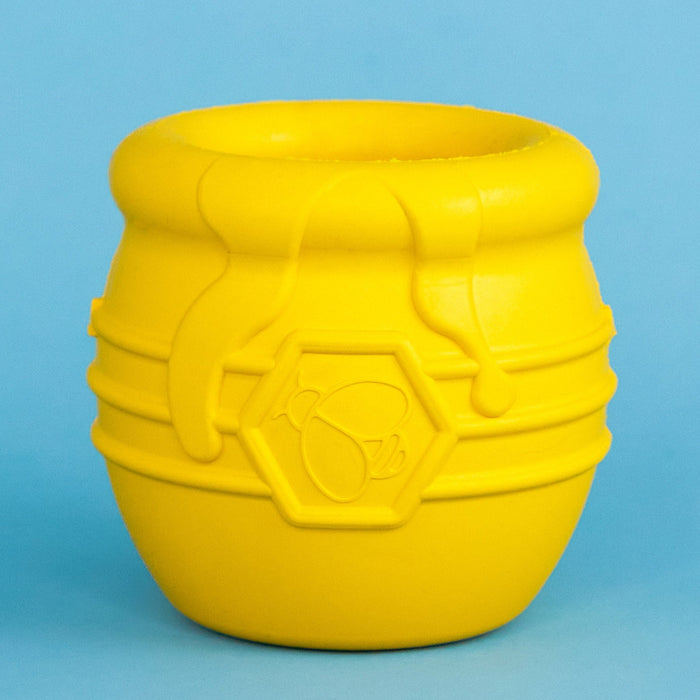
The SodaPup Honey Pot Slow Feeder Treat Dispenser is designed to transform ordinary meals into engaging enrichment sessions. Rather than inhaling food within seconds, dogs spend more time interacting with their meal and using their brain to access rewards.
Benefits of Slow Feeding
Slows Down Fast Eaters
Many dogs eat too quickly, which can contribute to digestive discomfort, bloating, regurgitation, and poor digestion.
Slow feeders encourage healthier eating habits by extending mealtime naturally.
Increases Mental Engagement
Working to access food keeps dogs mentally occupied and focused. Even short enrichment sessions can help reduce boredom and frustration.
Creates Positive Daily Structure
Dogs thrive on routine. Using enrichment feeders consistently helps create predictable activities that encourage calmness and focus.
Helps Burn Mental Energy
Mental work can be surprisingly tiring for dogs. A focused 15-minute enrichment session may leave some dogs calmer than a quick walk around the block.
Lick Mats and the Science of Calming Behavior
Licking is a naturally soothing behavior for dogs. It releases calming chemicals in the brain and encourages repetitive, rhythmic focus.
This is why lick mats have become popular tools for reducing stress and promoting relaxation.
The SodaPup Sun N Sea Suction Cup Lick Mat offers a textured surface that encourages dogs to lick slowly while enjoying soft foods or treats spread across the mat.
Many owners freeze enrichment mixtures onto lick mats to create longer-lasting calming sessions.
Why Licking Helps Dogs Relax
Licking stimulates the release of dopamine and endorphins, which can help dogs feel calmer and more content.
This makes lick mats especially useful during:
- Grooming sessions
- Bath time
- Crate training
- Fireworks
- Visitors arriving
- Recovery after exercise
- Alone-time training
Extends Treat Time
Instead of consuming treats instantly, dogs spend time carefully licking food from textured surfaces. This prolongs engagement and increases mental focus.
Encourages Calm Focus
Unlike high-energy games that increase excitement, licking activities often encourage dogs to settle quietly.
This makes lick mats ideal for teaching relaxation inside the home.
Healthy Chewing and Natural Instinct Satisfaction
Chewing is one of the most important instinctive behaviors for dogs.
Dogs chew to:
- Relieve stress
- Explore textures
- Soothe teething discomfort
- Release tension
- Occupy themselves
- Maintain oral health
Without appropriate chewing outlets, dogs often redirect the behavior toward inappropriate items.
Healthy dental chews provide a safer and more productive alternative.
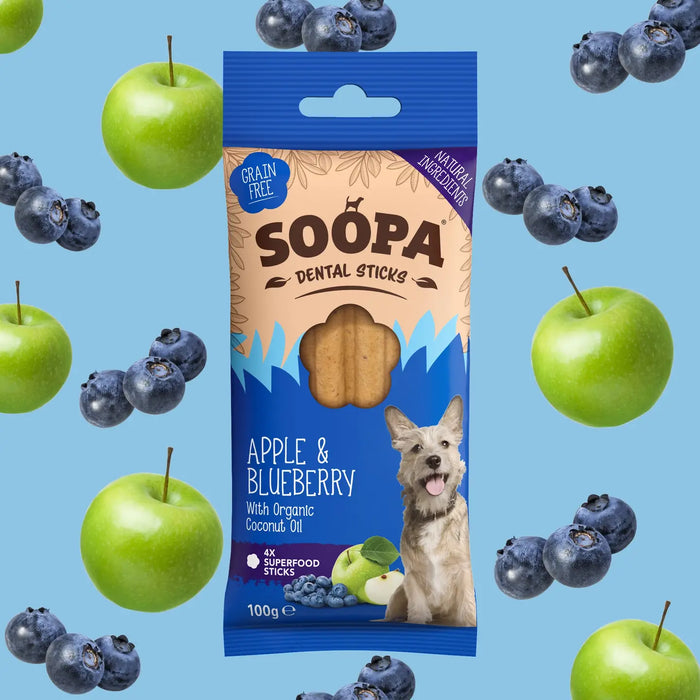
The Soopa Dog Dental Sticks Apple & Blueberry combine chewing satisfaction with functional ingredients designed to support oral health.
Why Chewing Is Mentally Enriching
Chewing requires concentration and persistence. It creates a calming outlet that helps many dogs decompress naturally.
Long-lasting chews can be especially beneficial for:
- Puppies
- Adolescent dogs
- High-energy breeds
- Dogs prone to anxiety
- Dogs adjusting to new environments
Supports Dental Health
Chewing textured dental sticks may help reduce plaque buildup while encouraging healthier chewing habits.
Provides Independent Enrichment
Chews allow dogs to occupy themselves productively without requiring constant owner interaction.

The Link Between Enrichment and Better Behavior
One of the biggest misconceptions about dog behavior is that problematic habits are always caused by disobedience.
In many cases, dogs are simply under-stimulated.
When dogs receive appropriate mental enrichment, owners often notice improvements in:
- Barking
- Destructive chewing
- Hyperactivity
- Restlessness
- Impulse control
- Settling indoors
- Attention-seeking behaviors
Enrichment gives dogs an appropriate outlet for their mental and emotional energy.
Creating a Mentally Enriching Daily Routine
Mental stimulation works best when incorporated consistently into everyday life.
You do not need to spend hours creating complicated enrichment activities. Small changes can have a meaningful impact.
Morning Routine
Serve breakfast using a slow feeder or enrichment toy instead of a traditional bowl.
This immediately gives your dog a mentally engaging task to begin the day.
Midday Calm Session
Offer a lick mat during quiet periods, especially if your dog struggles with boredom while you work from home or leave the house briefly.
Frozen enrichment mixtures can help extend engagement time.
Evening Wind-Down
Provide a healthy dental chew after walks or evening activities to encourage calm decompression before bedtime.
Dogs That Benefit Most From Mental Enrichment
While all dogs benefit from mental stimulation, some may need even more enrichment than others.
High-Energy Breeds
Working breeds often require significant mental engagement to stay balanced.
This includes:
- Border Collies
- Australian Shepherds
- Belgian Malinois
- Labrador Retrievers
- Spaniels
- German Shepherds
- Puppies and Adolescents
Young dogs are naturally curious and energetic. Enrichment helps guide those instincts into appropriate outlets.
Senior Dogs
Mental exercise can help older dogs stay engaged and active as physical mobility changes with age.
Apartment Dogs
Dogs living in smaller spaces often benefit from additional indoor mental stimulation opportunities.
Common Mistakes Dog Owners Make
Assuming Longer Walks Solve Everything
More exercise is not always the answer. Some dogs become physically fitter without ever becoming mentally fulfilled.
Feeding Only From Bowls
Traditional bowls provide little cognitive engagement. Simple feeding changes can dramatically improve daily stimulation.
Ignoring Natural Behaviors
Chewing, licking, sniffing, and foraging are healthy canine instincts that deserve appropriate outlets.
Overlooking Relaxation Skills
Dogs need help learning how to settle calmly, not just how to stay active.
The Future of Modern Dog Care
Modern dog owners are becoming increasingly aware that emotional and mental wellbeing matter just as much as physical health.
Enrichment-focused care is changing the way people feed, entertain, and interact with their dogs.
Instead of relying solely on physical exercise, many owners now use:
- Slow feeders
- Lick mats
- Puzzle toys
- Snuffle mats
- Dental chews
- Interactive feeding systems
These tools help create happier, calmer, and more fulfilled dogs.
Final Thoughts
Physical exercise will always remain an important part of canine health, but it is only one piece of the puzzle.
Dogs also need opportunities to think, solve problems, chew, lick, explore, and engage their natural instincts every day.
Without mental stimulation, even physically active dogs can become bored, anxious, and frustrated. Behaviors like barking, chewing, hyperactivity, and restlessness are often signs that a dog needs more cognitive engagement rather than simply more movement.
Simple enrichment tools can make a significant difference.
Slow feeders transform meals into mentally rewarding activities. Lick mats encourage calming focus and relaxation. Dental chews satisfy natural chewing instincts while supporting oral health.
By incorporating mental stimulation into your dog’s daily routine, you can help create a calmer, healthier, and more emotionally balanced companion.
live smarter
Shop smarter, live better, and stay ahead of the trends with our reliable recommendations!

Fashion
2 min read
How to Refresh Your Vacation Wardrobe with the A Nossa Tarde 2026 Jose Raposo Printed Resort Shirt

Health and Beauty
7 min read
The Subscription Trap: How the Average User Loses $300+ Per Year Without Realizing It




trending
Health and Beauty
6 min read
True Nature Meats Custom Bundle Builder Review: Build a Premium Meat Box That Fits Your Lifestyle
Fashion
2 min read
How to Refresh Your Golf Style with the Jae Bowers 2026 Women’s PGA Championship Polo Shirt
Gadgets and Tech
7 min read
Upgrade Your Ride with Flashark Racing: Performance Parts That Actually Make a Difference
Home and Decor
11 min read
How Smart Pet Technology Is Changing the Way We Care for Cats at Home
Travel
7 min read
Topoak Rooftop Tents Review: Galaxy Pro vs Stellar (Galaxy 2.0) vs Nebula X‑Frame
Fitness and Sports
7 min read