
Health and Beauty
10 min read
Why Dogs Overheat Faster Than Humans, And How to Keep Them Comfortable
June 09 , 2026
By Sienna Claire
Understanding Why Heat Is More Dangerous for Dogs
Hot weather can be uncomfortable for everyone, but for dogs, rising temperatures can become dangerous much faster than many pet parents realize. While humans have efficient cooling systems built into the body, dogs process heat very differently. This makes them more vulnerable to overheating, heat exhaustion, and even heatstroke during warm months.
Many dog owners notice common summer behaviors such as excessive panting, seeking cool tile floors, refusing walks, or constantly moving around to find colder surfaces. These are often signs that a dog is struggling to regulate body temperature.
Understanding why dogs overheat faster than humans is the first step toward creating a safer and more comfortable environment for them. From cooling rest areas at home to temperature-friendly travel setups, small adjustments can make a major difference in a dog’s overall comfort during warmer seasons.
Why Dogs Overheat Faster Than Humans
Humans cool themselves primarily through sweating. Sweat evaporates from the skin and naturally lowers body temperature. Dogs, however, have a very limited ability to sweat. They only sweat minimally through their paw pads, which does little to cool the body effectively.
Instead, dogs rely mostly on panting to regulate heat. Panting helps moisture evaporate from the tongue, nose, and lungs, which creates a cooling effect. While this process works reasonably well in mild temperatures, it becomes much less effective in hot or humid weather.
When the surrounding air is already warm, dogs struggle to release excess body heat efficiently. Their body temperature can rise rapidly, especially if they are lying on heat-retaining surfaces, exercising outdoors, or sitting inside poorly ventilated cars.
This is why dogs can overheat significantly faster than humans, even in situations that may not feel dangerously hot to people.
Factors That Increase a Dog’s Risk of Overheating
Not all dogs respond to heat in the same way. Several factors can increase the likelihood of overheating.
Thick or Double Coats
Breeds such as Huskies, Golden Retrievers, Bernese Mountain Dogs, and German Shepherds naturally retain more body heat because of their dense coats. While these coats offer insulation, they can also trap warmth during high temperatures.
Flat-Faced Breeds
Brachycephalic breeds like Bulldogs, Pugs, and French Bulldogs are especially vulnerable because their shortened airways make panting less efficient.
Age
Puppies and senior dogs often struggle more with temperature regulation. Older dogs may also have underlying health conditions that worsen heat sensitivity.
Weight
Overweight dogs retain more heat and require more energy to cool themselves.
Activity Levels
Active dogs that spend time running, hiking, or playing outdoors generate additional body heat, increasing overheating risk.
Indoor Heat
Even indoor dogs can become overheated if homes retain heat during summer afternoons or lack airflow.
Signs Your Dog May Be Overheating
Recognizing early signs of heat stress can help prevent serious health emergencies.
Excessive Panting
Heavy or rapid panting that continues long after activity ends may indicate overheating.
Drooling
Thick or excessive drooling often accompanies heat stress.
Restlessness
Dogs may constantly change positions, move from room to room, or search for cool floors.
Lethargy
An overheated dog may appear unusually tired or unwilling to move.
Bright Red Gums
Red or darkened gums can signal rising body temperature.
Vomiting or Diarrhea
Severe overheating may lead to digestive distress.
Weakness or Collapse
This is a medical emergency requiring immediate veterinary attention.
Why Cooling Surfaces Matter for Dogs
Dogs instinctively seek cool surfaces when they feel overheated. Many pet parents notice their dogs abandoning plush beds in favor of hardwood floors, bathroom tiles, or shaded concrete during hot weather.
This behavior happens because cool-contact surfaces help lower body temperature more effectively than heat-trapping fabrics.
Traditional dog beds often contain thick padding or insulating materials that retain warmth. While these beds may feel cozy in winter, they can become uncomfortable during summer.
Cooling products are designed differently. Breathable materials and temperature-regulating fabrics help disperse body heat instead of trapping it.
Providing dedicated cooling spaces throughout the home can significantly improve a dog’s comfort and help reduce heat stress.
Creating a Comfortable Indoor Cooling Environment
Indoor overheating is more common than many people think. Even with fans or air conditioning, certain rooms can remain warm during peak summer hours.
Creating cooler rest zones around the home allows dogs to regulate body temperature more comfortably throughout the day.
Use Cooling Mats in High-Traffic Areas
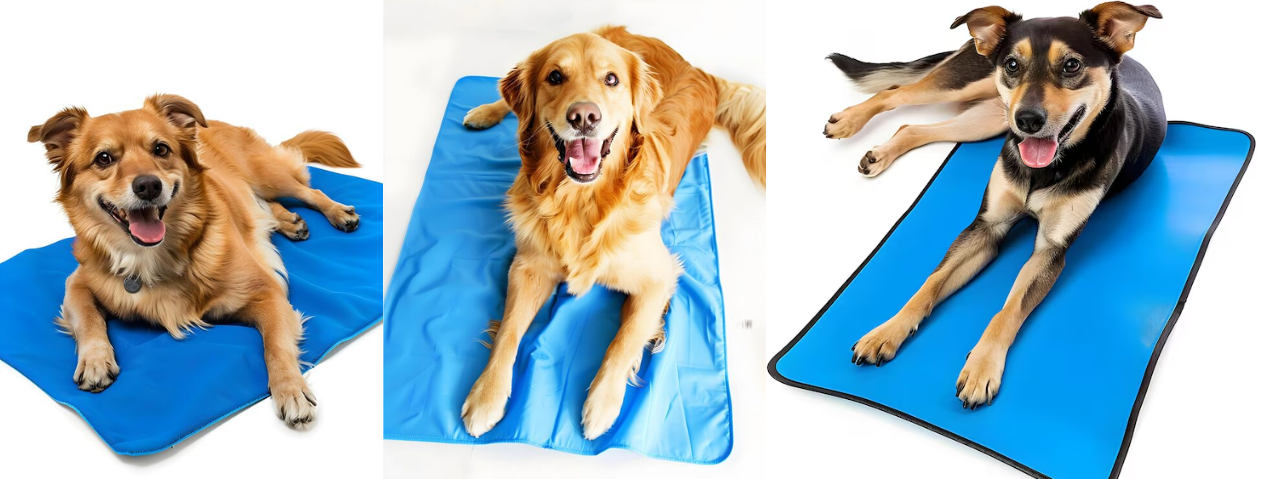
Cooling mats are one of the easiest ways to help dogs cool down quickly after walks, playtime, or outdoor activity.
Placing cooling mats in commonly used areas such as living rooms, kitchens, or near windows gives dogs flexible cooling spots throughout the house.
Many dogs prefer to stretch out fully when they feel warm, and cooling mats provide direct body contact with cooler surfaces that help release excess heat.
Cooling mats are also useful because they are lightweight and portable. Pet parents can easily move them between rooms depending on sunlight exposure or temperature changes during the day.
For multi-pet households, having several cooling mats available throughout the home helps ensure each dog has access to a comfortable resting area.
Why Cooling Sofa Beds Improve Sleep Comfort
Dogs spend a large portion of the day sleeping or resting, which means their primary bed has a major impact on temperature comfort.
Traditional cushioned beds can trap body heat over time, especially during long naps. This may cause dogs to constantly reposition themselves or leave the bed entirely in search of cooler flooring.
A cooling sofa bed offers a more temperature-friendly alternative while still providing supportive cushioning and security.
The raised sides of a sofa-style cooling bed can help dogs feel calm and protected while breathable cooling fabrics prevent excessive heat buildup.
This combination of comfort and cooling support is especially beneficial for:
- Senior dogs
- Dogs with thick coats
- Dogs prone to overheating
- Dogs that spend long hours indoors
- Anxious dogs that prefer structured sleeping areas
Cooling sofa beds can also support healthier sleep during warm weather by helping dogs stay comfortable without frequent interruptions caused by overheating.
The Hidden Dangers of Hot Cars
One of the most dangerous overheating situations for dogs occurs inside vehicles.
Even on relatively mild days, temperatures inside cars can rise rapidly within minutes. Cracked windows provide very little protection against heat buildup.
Dogs traveling in cars also face additional warmth from:
- Sunlight exposure through windows
- Warm seat materials
- Poor airflow
- Limited movement
- Heat-retaining surfaces
Long car rides during summer can quickly become uncomfortable without proper cooling support.
How Cooling Car Beds Help During Travel
A cooling car bed helps create a safer and more comfortable travel environment for dogs during warm-weather drives.
Unlike standard pet car beds that may trap heat, cooling car beds are designed with breathable materials that help regulate temperature during travel.
This is particularly important for:
- Road trips
- Vet visits
- Daily errands
- Outdoor adventures
- Summer vacations
Dogs often become anxious or restless when they feel overheated during car rides. A cooling car bed can help reduce discomfort while encouraging calmer travel behavior.
Cooling car beds also create a designated resting area that supports stability and comfort during movement.
For dogs returning from outdoor activity such as hiking, beach trips, or long walks, a cooling car bed provides immediate post-exercise recovery support while traveling home.
Outdoor Recovery Is Just as Important
Many dogs overheat not during activity itself, but afterward.
After walks or outdoor play, body temperature can remain elevated for an extended period. Without proper recovery spaces, dogs may continue struggling to cool down indoors.
This is where cooling products become especially valuable.
Cooling Mats for Post-Walk Recovery
After exercise, dogs often seek cool surfaces instinctively. Cooling mats provide an immediate recovery area that helps release body heat more efficiently than carpet or traditional bedding.
Positioning a cooling mat near entryways or patios gives dogs quick access to cooling support immediately after outdoor activity.
Cooling Sofa Beds for Long Recovery Periods
Once a dog’s breathing begins to normalize, supportive cooling beds help maintain comfortable body temperature during extended rest periods.
This can be especially important after:
- Long walks
- Dog park visits
- Hiking
- Outdoor training sessions
- Beach trips
The Importance of Hydration and Shade
While cooling products provide valuable support, they work best alongside basic heat safety habits.
Always Provide Fresh Water
Hydration plays a major role in temperature regulation. Dogs should always have access to cool, clean water during warm weather.
Avoid Peak Heat Hours
Morning and evening walks are typically safer than midday activity during summer.
Create Shaded Areas Outdoors
If dogs spend time outside, shaded spaces are essential.
Monitor Pavement Temperatures
Hot pavement can burn paw pads and increase overall body temperature.
Which Dogs Benefit Most From Cooling Products?
While all dogs can benefit from improved summer comfort, some dogs particularly benefit from cooling-focused environments.
Senior Dogs
Older dogs often struggle more with heat and may experience joint discomfort worsened by warm surfaces.
Large Breeds
Larger dogs generate more body heat and may have difficulty cooling efficiently.
Long-Haired Dogs
Dense coats naturally retain warmth.
Highly Active Dogs
Athletic or energetic dogs need effective recovery support after exercise.
Dogs Living in Warm Climates
In consistently hot environments, cooling products can improve daily comfort throughout much of the year.
Common Mistakes Dog Owners Make During Hot Weather
Even well-meaning pet parents sometimes underestimate heat risks.
Assuming Indoor Dogs Are Safe From Overheating
Indoor spaces can still become warm, especially near windows or during afternoon heat buildup.
Using Thick Bedding Year-Round
Winter-style beds may become uncomfortable during summer.
Leaving Dogs in Cars Briefly
Even short errands can become dangerous quickly.
Exercising Dogs During Midday Heat
Hot temperatures combined with physical activity create major overheating risks.
Ignoring Early Warning Signs
Mild panting or restlessness may seem harmless but can escalate rapidly.
Building a Full Cooling System for Your Dog
Instead of relying on a single cooling solution, many pet parents now create complete cooling systems throughout their dog’s environment.
This approach helps dogs stay comfortable during different parts of the day and in different situations.
At Home
Use cooling mats in flexible areas where dogs frequently rest during the day.
For Sleep
Choose a cooling sofa bed that combines airflow, comfort, and support.
During Travel
Use a cooling car bed to improve comfort and reduce overheating risks during rides.
After Outdoor Activity
Create designated recovery spaces with cooling surfaces and water access.
Together, these solutions help dogs regulate body temperature more effectively while reducing stress caused by excessive heat.
Why Summer Comfort Matters for Long-Term Health
Heat stress does more than create temporary discomfort. Repeated overheating can place strain on a dog’s body over time.
Chronic exposure to excessive heat may contribute to:
- Fatigue
- Dehydration
- Reduced activity levels
- Poor sleep quality
- Increased stress
- Heat-related medical emergencies
Providing consistent cooling support improves not only comfort but overall wellness and quality of life.
Dogs that sleep better, recover more effectively, and stay cooler throughout the day are often calmer, more active, and more comfortable overall.
Final Thoughts
Dogs rely heavily on their environment to stay cool. Because they cannot regulate body temperature as efficiently as humans, they are far more vulnerable to overheating during warm weather.
Understanding how dogs process heat helps pet parents make smarter choices about rest areas, travel setups, and recovery spaces.
Cooling mats provide flexible relief throughout the home, cooling sofa beds improve sleep comfort during hot nights, and cooling car beds create safer travel experiences during warm-weather outings.
Together, these solutions help create a more comfortable and supportive environment that protects dogs from unnecessary heat stress while improving their overall daily comfort.
As temperatures rise each year, thoughtful cooling strategies are becoming an essential part of responsible pet care — helping dogs stay healthier, happier, and safer all summer long.
live smarter
Shop smarter, live better, and stay ahead of the trends with our reliable recommendations!

Fashion
2 min read
How to Refresh Your Vacation Wardrobe with the A Nossa Tarde 2026 Jose Raposo Printed Resort Shirt

Health and Beauty
7 min read
The Subscription Trap: How the Average User Loses $300+ Per Year Without Realizing It



trending
Health and Beauty
6 min read
True Nature Meats Custom Bundle Builder Review: Build a Premium Meat Box That Fits Your Lifestyle
Fashion
2 min read
How to Refresh Your Golf Style with the Jae Bowers 2026 Women’s PGA Championship Polo Shirt
Gadgets and Tech
7 min read
Upgrade Your Ride with Flashark Racing: Performance Parts That Actually Make a Difference
Home and Decor
11 min read
How Smart Pet Technology Is Changing the Way We Care for Cats at Home
Travel
7 min read
Topoak Rooftop Tents Review: Galaxy Pro vs Stellar (Galaxy 2.0) vs Nebula X‑Frame
Fitness and Sports
7 min read