
Fashion
9 min read
When Your Favorite Hoodie Does More Than Keep You Cozy
October 16 , 2025
By Sienna Claire
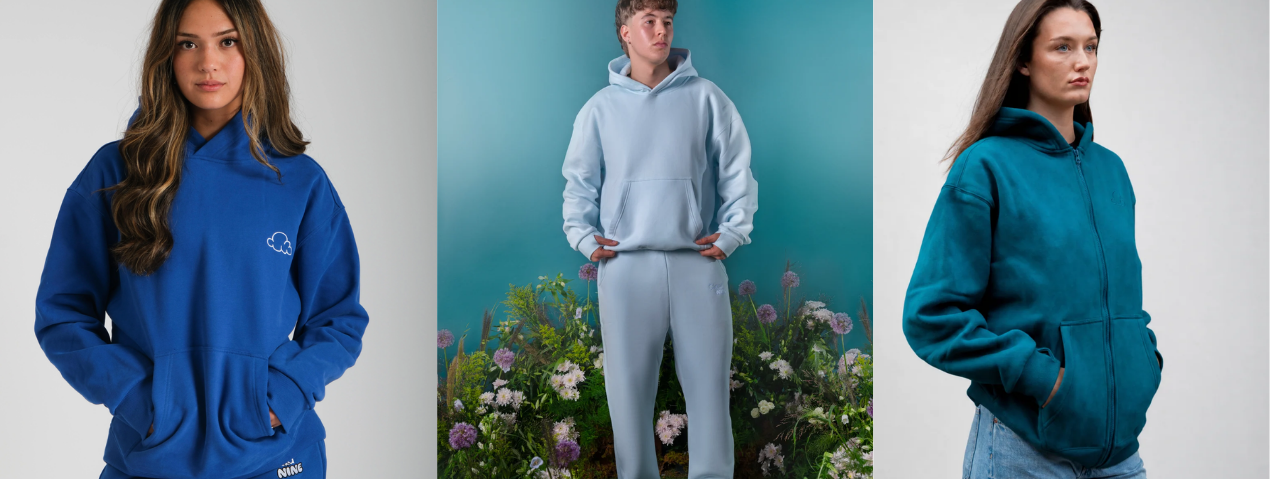
Some days, sitting still feels surprisingly difficult. Your fingers start playing with a sleeve, you tap your foot during a meeting, squeeze your hands together while waiting for an appointment, or keep reaching for something on your desk without even realizing it. These little habits often happen naturally when your mind feels busy or you simply need something physical to focus on.
Some days, sitting still feels surprisingly difficult. Your fingers start playing with a sleeve, you tap your foot during a meeting, squeeze your hands together while waiting for an appointment, or keep reaching for something on your desk without even realizing it. These little habits often happen naturally when your mind feels busy or you simply need something physical to focus on.
That is where sensory-friendly clothing starts to feel less like a special category and more like a practical everyday idea. Instead of carrying a separate fidget item or stress ball, certain clothing designs place tactile features right where your hands already tend to go. A hoodie can still look casual enough for class, errands, travel, work-from-home days, or a lazy evening, while giving you extra textures and features to interact with.
Brands such as Cloud Nine Clothing have taken this idea beyond basic softness, creating hoodies that combine familiar casualwear with discreet sensory elements for people who enjoy fidgeting, tactile stimulation, heavier fabrics, or simply having something comforting close by.
Comfort Can Go Beyond Soft Fabric
When you call a hoodie comfortable, you probably think about soft fabric, a roomy hood, relaxed sleeves, and enough warmth to make chilly mornings easier. Those things still matter, but comfort can become much more personal than that.
You might like heavier clothing because it feels substantial around your body. Someone else may constantly rub fabric between their fingers. You may automatically keep your hands inside your pockets or pull your sleeves over them whenever you feel restless.
Sensory-friendly clothing works with those everyday habits rather than expecting you to stop them. A textured area hidden inside a pocket, something soft to squeeze in a cuff, or a heavier fabric construction can make ordinary clothing more interactive without changing how it looks from across the room.
That last point matters. You may want sensory features without wanting your outfit to announce that you are using them.
Fidgeting Fits Naturally Into Everyday Routines
Fidgeting is not limited to obviously stressful situations. You may fiddle with a pen while reading emails, play with your hoodie strings during a lecture, tap your fingers while commuting, or twist a sleeve while watching television.
The inconvenience usually comes from needing a separate object. A stress ball is useful when it happens to be beside you. Once you leave home, forget it on your desk, or put it somewhere in your bag, reaching for it becomes another task.
Clothing travels with you automatically.
This simple idea makes built-in sensory features interesting. Your hands can reach toward the same cuffs and pockets they naturally use anyway. There is no extra item sitting visibly on a desk and nothing small that needs to be remembered before leaving home.
It also allows sensory-friendly clothing to fit into ordinary situations without turning those features into the main event.
A Hoodie With Something Hidden in the Sleeves
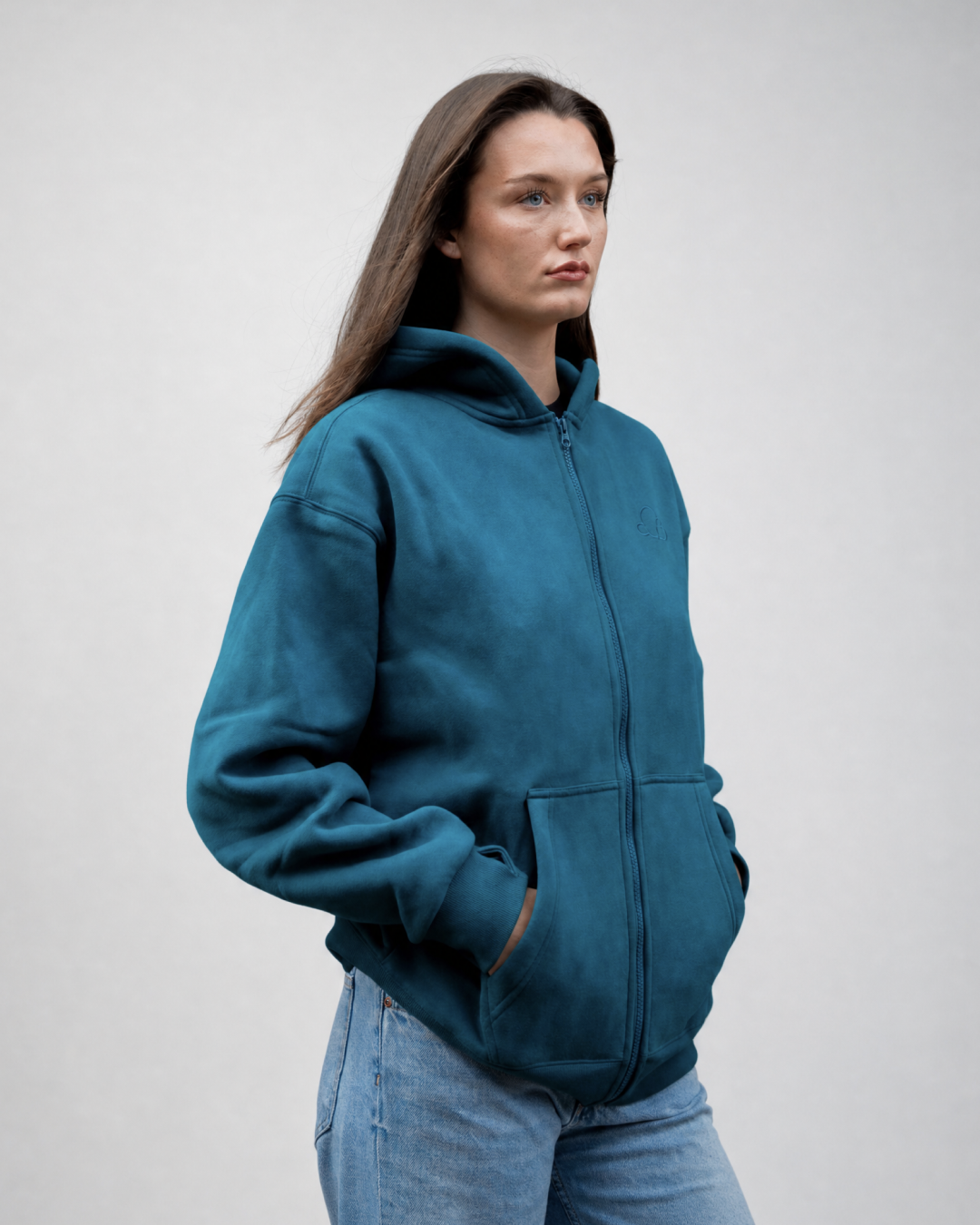
The Grounding Zip-Up Hoodie from Cloud Nine gives a good example of how regular casualwear can incorporate sensory details without looking dramatically different.
It is a heavyweight, full-zip hoodie with removable stress balls built into the cuffs. Instead of carrying a separate stress ball, you can squeeze one directly through the cuff whenever your hands feel restless. Inside the kangaroo pocket, there is also a discreet silicone sensory patch that gives your fingers another texture to interact with.
The construction contributes to the overall feel too. The hoodie uses a cotton, polyester, and spandex blend with thick 360 GSM fabric and weighs around one kilogram. It has a slightly oversized unisex fit, dropped shoulders, thumb holes, and a kangaroo pocket. The stress balls can also be removed and inserted again when you prefer.
The result still resembles something you could throw over a T-shirt before leaving the house. Its sensory elements remain tucked into places where your hands naturally spend time.
Heavier Clothing Has Its Own Kind of Appeal
There is something particularly cozy about a substantial sweatshirt or hoodie. Thin layers work well when you only need coverage, but sometimes you want clothing that feels more present around you.
Heavyweight sensory hoodies lean into that preference.
You may especially appreciate the extra weight while working at home, travelling on a cold day, sitting through a long study session, or relaxing on the sofa. An oversized silhouette can also give you more room to move without making the garment feel restrictive.
Still, heavier does not automatically mean better for everybody. If you dislike substantial clothing or live somewhere warm, you may prefer lighter sensory garments. Personal preference should guide your choice more than any claim that one weight or fabric works for everyone.
Sensory clothing becomes most useful when it matches the sensations you already enjoy.
Scent Adds Another Layer to Familiar Comfort
Touch is only one way you experience comfort. Smell can become part of familiar routines too.
Think about the scent you associate with freshly washed bedding, a particular candle you use while reading, or a fragrance that makes an evening at home feel different from the rest of your day. Adding scent to clothing follows a similar idea, although it needs to remain subtle enough for everyday wear.
The Aromatherapy Hoodie from CNC combines tactile and scent-based features in one garment. It has built-in stress balls for squeezing plus a discreet compartment positioned along the side of the hood for a pre-infused scent disc.
Each hoodie comes with two scent discs, with lavender, rose, and jasmine options shown by the brand. The compartment uses an inner sealed layer and an outer micro-mesh layer designed to release scent while keeping the disc separated from your skin. The scent is intended to remain close to the wearer rather than acting like a strong room fragrance.
The hoodie itself uses 50 percent cotton and 50 percent polyester in a 360 GSM construction. You remove the scent disc before machine washing the garment in cold water and air drying it.
Discretion Makes Sensory Clothing Easier to Wear
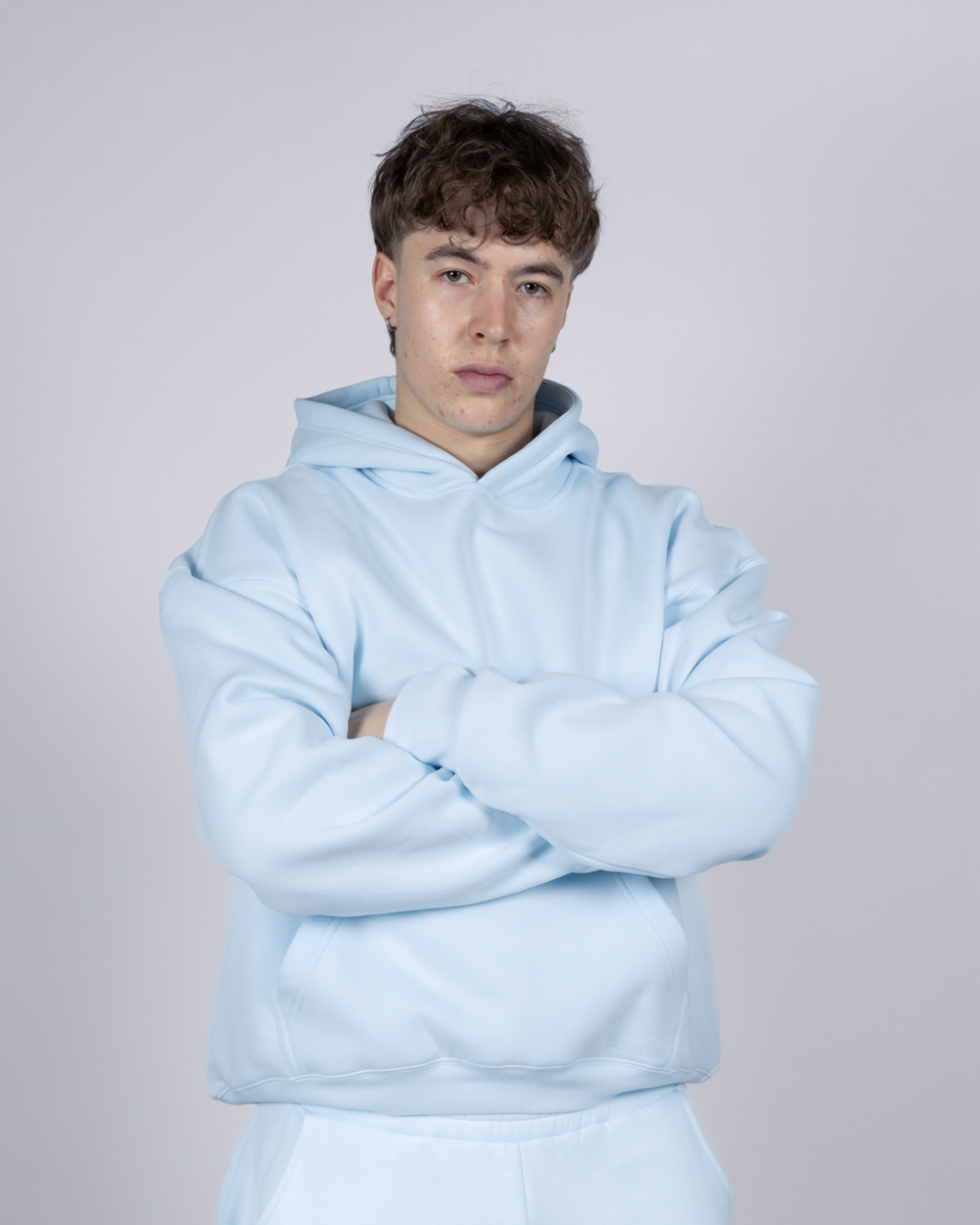
A sensory feature becomes much easier to incorporate into daily life when you do not need to explain it.
You might be sitting in a classroom, travelling on public transport, waiting at an airport, working in an office, or talking to someone while your hands need something to do. Pulling out a separate sensory object may feel inconvenient in some settings.
A feature hidden inside clothing changes that experience.
A stress ball positioned in a cuff can be squeezed without becoming the focus of the room. A sensory patch inside a pocket stays out of sight. A scent compartment hidden along a hood can remain part of your personal space.
This does not mean sensory tools need to be hidden. It simply gives you the choice. Sometimes you want an obvious fidget toy. Sometimes you would rather keep your hands in your hoodie pocket and continue with your day.
Inclusive Clothing Can Still Look Like Regular Clothing
Sensory preferences vary widely, which makes inclusive clothing design less about creating one perfect solution and more about offering different ways to experience an everyday garment.
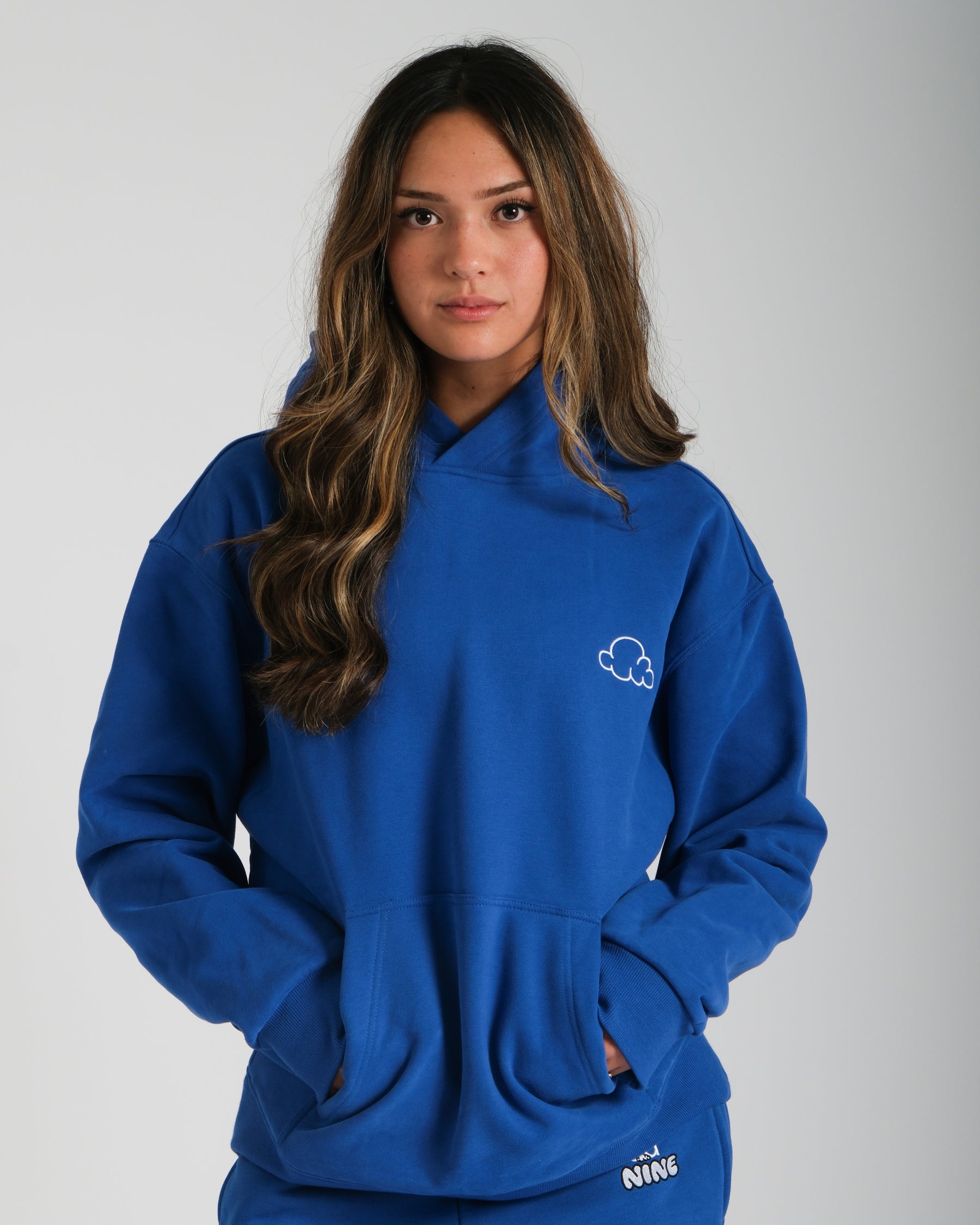
The Cloud Nine x Autism Canada hoodie follows this approach through a heavyweight sensory-friendly design. It uses a cotton, polyester, and spandex blend, weighs approximately one kilogram, and is made from thick 360 GSM fabric. Its slightly oversized fit includes dropped shoulders, a kangaroo pocket, and thumb holes. Built-in stress balls provide a tactile feature that can also be removed when they are not wanted.
Designs like this can be particularly appealing when you want sensory elements without switching to clothing that feels visually separate from the rest of your wardrobe.
You can still pair the hoodie with jeans, joggers, leggings, or whatever you normally wear. The additional functionality stays within a familiar piece of casual clothing.
Sensory Clothing Works Best When It Matches You
Buying something labelled sensory-friendly does not guarantee that every feature will suit you.
Start with what you already do naturally.
If your hands constantly squeeze or grip things, a garment with built-in squeezable elements may make sense. If you rub fabrics or search for textures, tactile patches may appeal more. If familiar fragrances are already part of your personal relaxation routine, scent-based clothing could feel more relevant.
Think about weight as well. A one-kilogram heavyweight hoodie will feel very different from a lightweight sweatshirt. Someone who loves substantial layers may enjoy that feeling, while someone sensitive to heavy garments may not.
Fit matters for similar reasons. Relaxed silhouettes can feel cozy, but your ideal amount of room depends on how you prefer clothing to sit against your body.
The best sensory garment is not necessarily the one with the longest feature list. It is the one whose features fit naturally into your existing habits.
Everyday Clothing Can Feel More Personal
Clothing already does more than cover your body. Your favorite sweatshirt might be the one you reach for after a long day, during a flight, before an exam, or whenever you want something familiar. Sensory-friendly design simply gives that familiar relationship another dimension.
A hoodie with a tactile patch, removable stress balls, heavyweight fabric, or a discreet scent compartment will not appeal to everyone, and it does not need to. Its value comes from giving you another option when ordinary clothing feels a little too ordinary for what you personally prefer.
Cloud Nine Clothing shows how these ideas can sit inside garments that still look suitable for everyday wardrobes. Rather than treating sensory features as separate accessories, the designs place them into cuffs, pockets, hoods, and fabrics you already interact with naturally.
If your hands are always searching for something to squeeze, touch, or play with, your next comfortable layer might offer them somewhere to go without asking you to carry anything extra.
Cloud Nine Clothing brings sensory details into everyday hoodies, giving you tactile, weighted and scent-based features for personal comfort.
Ready to shop? Check out this page for the latest coupons, promo codes, and available offers before placing your order.
live smarter
Shop smarter, live better, and stay ahead of the trends with our reliable recommendations!

Fashion
2 min read
How to Refresh Your Vacation Wardrobe with the A Nossa Tarde 2026 Jose Raposo Printed Resort Shirt

Health and Beauty
7 min read
The Subscription Trap: How the Average User Loses $300+ Per Year Without Realizing It




trending
Health and Beauty
6 min read
True Nature Meats Custom Bundle Builder Review: Build a Premium Meat Box That Fits Your Lifestyle
Fashion
2 min read
How to Refresh Your Golf Style with the Jae Bowers 2026 Women’s PGA Championship Polo Shirt
Gadgets and Tech
7 min read
Upgrade Your Ride with Flashark Racing: Performance Parts That Actually Make a Difference
Home and Decor
11 min read
How Smart Pet Technology Is Changing the Way We Care for Cats at Home
Travel
7 min read
Topoak Rooftop Tents Review: Galaxy Pro vs Stellar (Galaxy 2.0) vs Nebula X‑Frame
Fitness and Sports
7 min read