
Health and Beauty
7 min read
Modern Longevity Wellness: Hormone Health, Metabolic Support & Healthy Aging Trends
May 23 , 2026
By Sienna Claire

AgelessRx has positioned itself within this growing telehealth longevity category by offering physician-guided wellness programs focused on healthy aging, metabolic support, hormone-health conversations, and preventative wellness care.
The modern wellness industry has evolved significantly as more people begin focusing on long-term vitality, preventative health, metabolic wellness, and healthier aging strategies instead of waiting for health concerns to become more severe over time. Today’s consumers increasingly seek proactive approaches to energy levels, hormonal balance, recovery, body composition, cognitive wellness, and overall quality of life.
At the same time, telehealth and personalized wellness platforms have transformed access to healthcare conversations that were once difficult, uncomfortable, or inconvenient for many individuals. Instead of relying only on traditional annual checkups, people now explore physician-guided wellness support systems that focus on long-term lifestyle optimization, preventative monitoring, and more individualized care experiences.
This shift has fueled growing interest in women’s hormone care, metabolic wellness programs, NAD+ support therapies, and broader healthy-aging conversations. However, it has also increased the importance of medically responsible education because wellness trends can often become oversimplified on social media or marketed with unrealistic expectations. Modern longevity support should always be approached through evidence-based guidance, physician supervision, and realistic lifestyle integration rather than quick-fix promises.
AgelessRx has positioned itself within this growing telehealth longevity category by offering physician-guided wellness programs focused on healthy aging, metabolic support, hormone-health conversations, and preventative wellness care. Their platform reflects the broader movement toward accessible and personalized wellness support designed around convenience, education, and ongoing monitoring.
In this guide, we will explore three major wellness categories that continue shaping modern longevity conversations: women’s hormone care, GLP-1 microdosing discussions, and NAD+ support therapies. Together, these areas represent different aspects of the broader healthy-aging and wellness-optimization movement.
Women’s Hormone Care: Understanding Hormonal Wellness & Healthy Aging
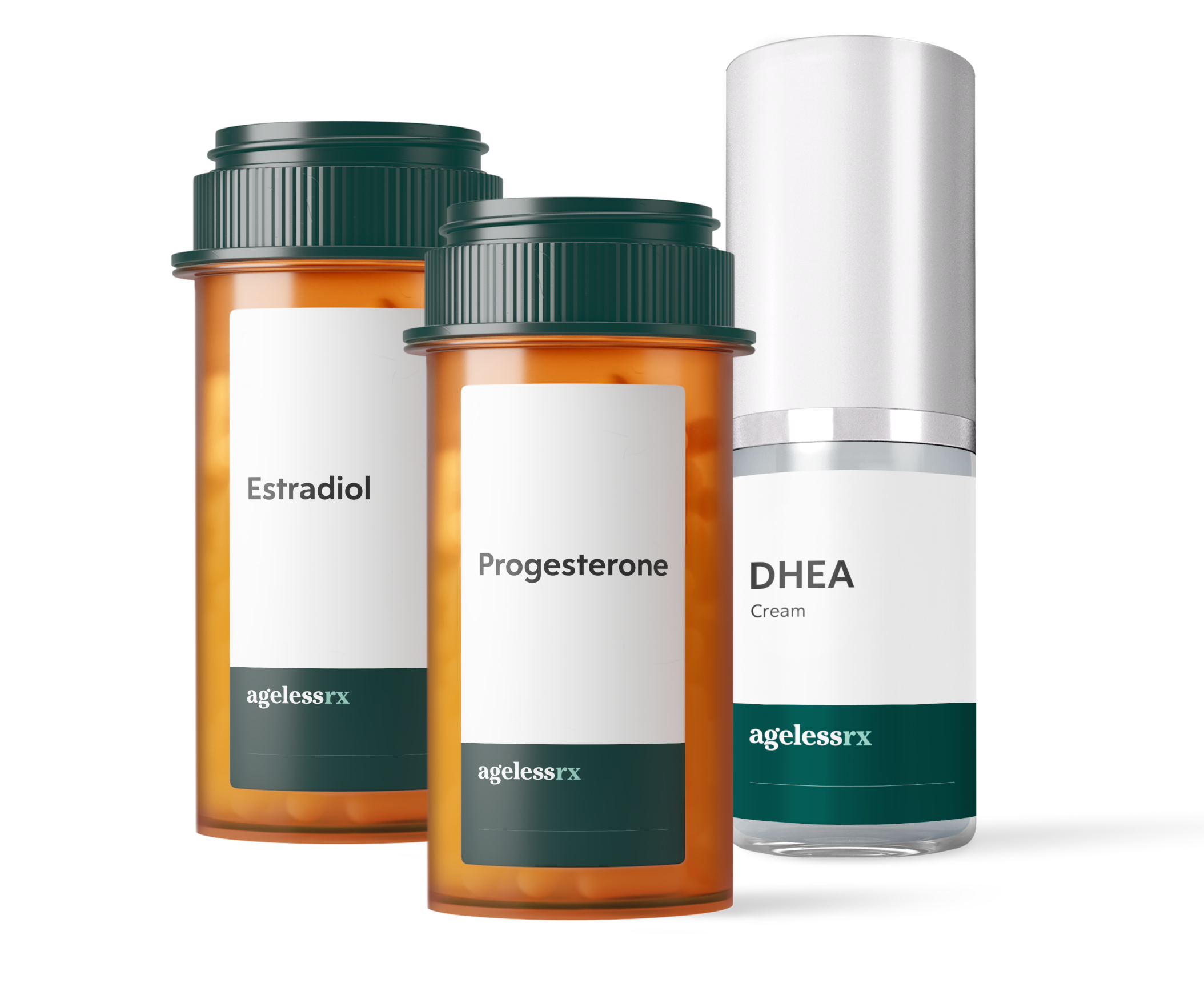
Hormonal health has become one of the most important conversations within modern wellness because hormones influence energy levels, sleep quality, mood, metabolism, recovery, cognitive function, and overall quality of life. Many women experience hormonal changes throughout different life stages, including postpartum recovery, perimenopause, menopause, stress-related imbalance, and age-related hormonal fluctuations.
In the past, hormone-health conversations were often overlooked or minimized, leaving many women feeling unsupported while experiencing symptoms that affected everyday well-being. However, modern healthcare and wellness culture increasingly recognize the importance of discussing hormonal changes more openly and proactively. Telehealth platforms have further expanded access to physician-guided care by making consultations and wellness conversations more accessible for busy individuals.
One of the strongest aspects of modern hormone-care programs is education and personalized monitoring. Rather than approaching hormonal wellness through generalized assumptions, many physician-guided systems focus on symptom evaluation, lab analysis, medical history, and individualized treatment planning. This more personalized approach helps create safer and more informed decision-making processes.
Another important factor is lifestyle integration. Hormonal wellness is rarely influenced by one single factor alone. Sleep quality, stress management, nutrition, exercise habits, recovery, hydration, and mental wellness all contribute to broader hormonal balance and long-term vitality. This is why many wellness professionals increasingly emphasize holistic lifestyle support alongside medical supervision.
At the same time, hormone-related treatments should always be approached responsibly because not every therapy is appropriate for every individual. Medical supervision, realistic expectations, and evidence-based guidance remain essential when discussing hormone-related wellness support.
GLP-1 Microdosing Discussions: Metabolic Wellness & Responsible Conversations
GLP-1 medications have become one of the most widely discussed topics within modern metabolic wellness and weight-management conversations. Originally developed for medical purposes such as diabetes management, GLP-1 therapies later gained widespread attention because of their influence on appetite regulation, metabolic response, and weight-related outcomes.
More recently, social media and wellness communities have sparked growing conversations around “microdosing” GLP-1 therapies. Supporters often discuss smaller-dose approaches as part of broader lifestyle-focused wellness routines designed around appetite awareness, metabolic support, and gradual habit-building. However, it is important to recognize that research around microdosing approaches remains limited, and many discussions continue evolving within the medical community.
One of the most important aspects of GLP-1-related wellness conversations is medical supervision. Metabolic health is complex and highly individualized, which means medications and wellness interventions should never be approached casually or based only on online trends. Responsible care requires physician guidance, ongoing monitoring, lifestyle support, and realistic expectations regarding both potential benefits and limitations.
Another important factor is the growing shift away from extreme dieting culture toward more sustainable metabolic wellness conversations. Many individuals now prioritize long-term habit-building, healthier relationships with nutrition, gradual progress, and preventative health support instead of short-term crash dieting cycles.
The broader interest in GLP-1 wellness also reflects a larger societal movement toward preventative metabolic care where individuals increasingly seek support for energy balance, body composition, insulin awareness, and sustainable wellness routines before more serious health issues develop.
NAD+ Support & Healthy Aging Conversations
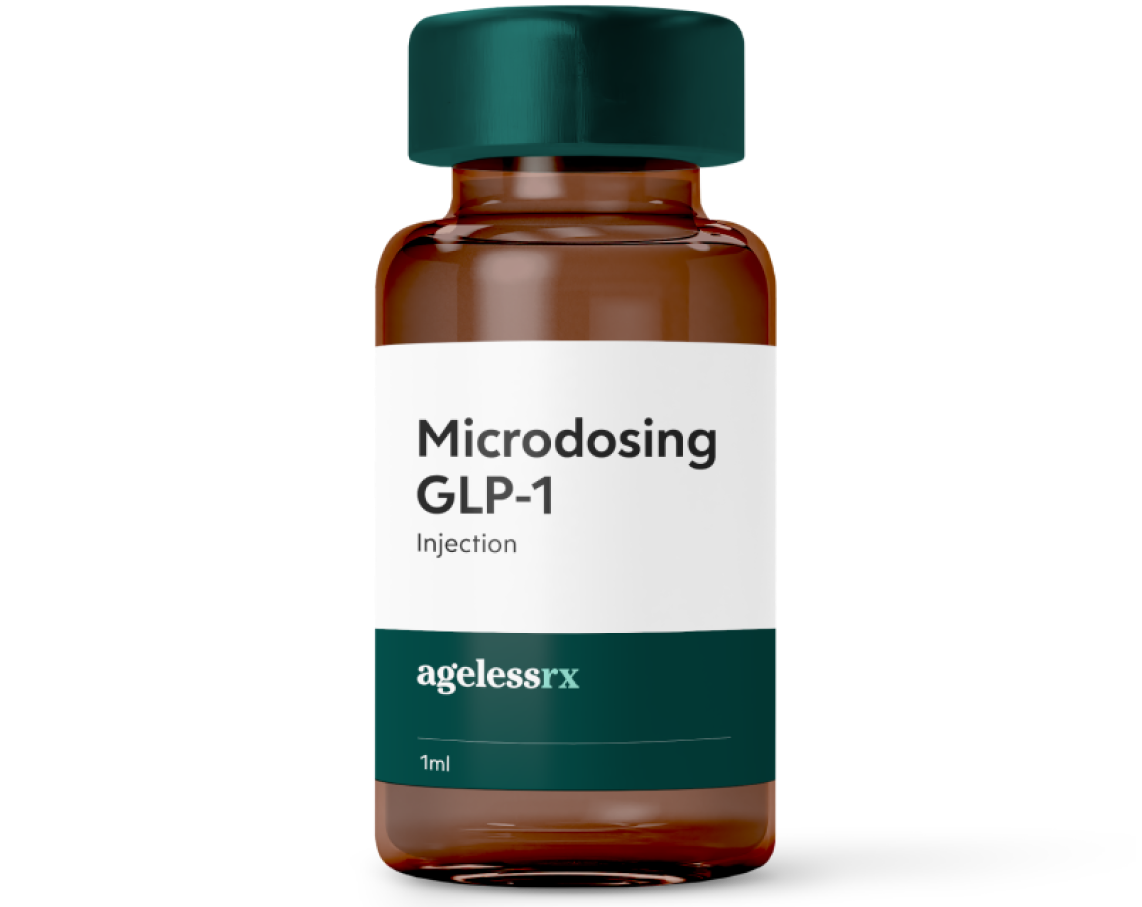
Healthy-aging wellness has become one of the fastest-growing categories within modern preventative care because more individuals now prioritize energy support, cognitive wellness, recovery, and long-term vitality as part of everyday lifestyle management. NAD+ discussions have become especially popular within this category because NAD+ is naturally involved in cellular energy processes and broader biological functions.
As people age, conversations around recovery, fatigue, cognitive sharpness, and physical resilience often become more important. This has fueled growing interest in physician-guided wellness approaches designed to support healthier aging habits and overall lifestyle optimization.
One of the strongest aspects of modern longevity culture is the focus on proactive wellness rather than reactive care alone. Many people now prioritize sleep quality, stress reduction, mobility, nutrition, recovery routines, exercise consistency, and preventative health monitoring as part of broader healthy-aging strategies.
Another important factor is realism and balance. Healthy aging should not be viewed as chasing unrealistic perfection or permanent youthfulness. Instead, modern longevity conversations increasingly focus on improving quality of life, maintaining vitality, supporting independence, and feeling healthier for longer periods of time.
NAD+ support conversations also reflect the broader trend toward personalized wellness where individuals increasingly seek physician-guided strategies designed around their unique lifestyle, recovery needs, and long-term wellness goals.
The Rise of Telehealth Wellness Platforms
Telehealth has transformed modern wellness accessibility by making physician-guided support more flexible and convenient for individuals balancing busy schedules, work demands, family responsibilities, and geographic limitations. Instead of requiring frequent in-person appointments for every wellness conversation, many individuals now prefer digital-first care systems that allow greater flexibility and continuity.
One of the strongest aspects of telehealth wellness is convenience combined with accessibility. Patients can discuss concerns, review treatment options, access educational resources, and maintain communication with healthcare professionals more efficiently than through older healthcare models alone.
Another important factor is personalization. Modern wellness platforms increasingly focus on individualized care experiences rather than one-size-fits-all solutions. Hormonal wellness, metabolic health, recovery support, and healthy-aging conversations often require more nuanced and customized approaches depending on medical history, symptoms, and lifestyle habits.
At the same time, responsible telehealth platforms continue emphasizing physician supervision, evidence-based guidance, realistic expectations, and ongoing monitoring rather than promoting exaggerated wellness promises or unrealistic anti-aging narratives.
Conclusion: Smarter Wellness, Preventative Health & Modern Longevity
Modern longevity culture increasingly focuses on preventative wellness, personalized care, and healthier aging strategies rather than reactive health management alone. Hormonal wellness, metabolic support, and healthy-aging conversations are becoming more mainstream as individuals seek better understanding of their bodies, energy levels, and long-term health.
Women’s hormone care, GLP-1 wellness discussions, and NAD+ support therapies each represent different aspects of this evolving wellness landscape. When approached responsibly through physician supervision, evidence-based education, and realistic expectations, these conversations can contribute to broader awareness around preventative care and healthier lifestyle management.
Ultimately, sustainable wellness is built through informed decision-making, balanced routines, professional guidance, and consistent long-term habits rather than quick-fix promises or unrealistic health trends.
Call to Action
If you are exploring modern wellness support, focus on evidence-based education, physician-guided care, and sustainable lifestyle habits that support long-term vitality, balance, and overall well-being.
live smarter
Shop smarter, live better, and stay ahead of the trends with our reliable recommendations!

Fashion
2 min read
How to Refresh Your Golf Style with the Jae Bowers 2026 Women’s PGA Championship Polo Shirt

Health and Beauty
7 min read
The Subscription Trap: How the Average User Loses $300+ Per Year Without Realizing It

Gadgets and Tech
7 min read
Upgrade Your Ride with Flashark Racing: Performance Parts That Actually Make a Difference
Fitness and Sports
7 min read
Teeter Home Fitness Essentials: FitSpine LX9, FreeStep LT7, and ProFlex 432 for Recovery, Cardio, and Strength

trending
Fashion
5 min read
Halloween Scary Costumes: How to Create a Spooky Look Without the Stress
Health and Beauty
6 min read
True Nature Meats Custom Bundle Builder Review: Build a Premium Meat Box That Fits Your Lifestyle
Gadgets and Tech
14 min read
The Best Rechargeable Lights for Outdoor Adventures and Emergency Preparedness
Fitness and Sports
15 min read
How to Make a Daily Vitamin Routine More Enjoyable and Consistent
Home and Decor
11 min read
How Smart Pet Technology Is Changing the Way We Care for Cats at Home
Travel
7 min read