
Gadgets and Tech
9 min read
How to Choose the Right Chicken Coop Based on Your Flock Size
June 08 , 2026
By Sienna Claire
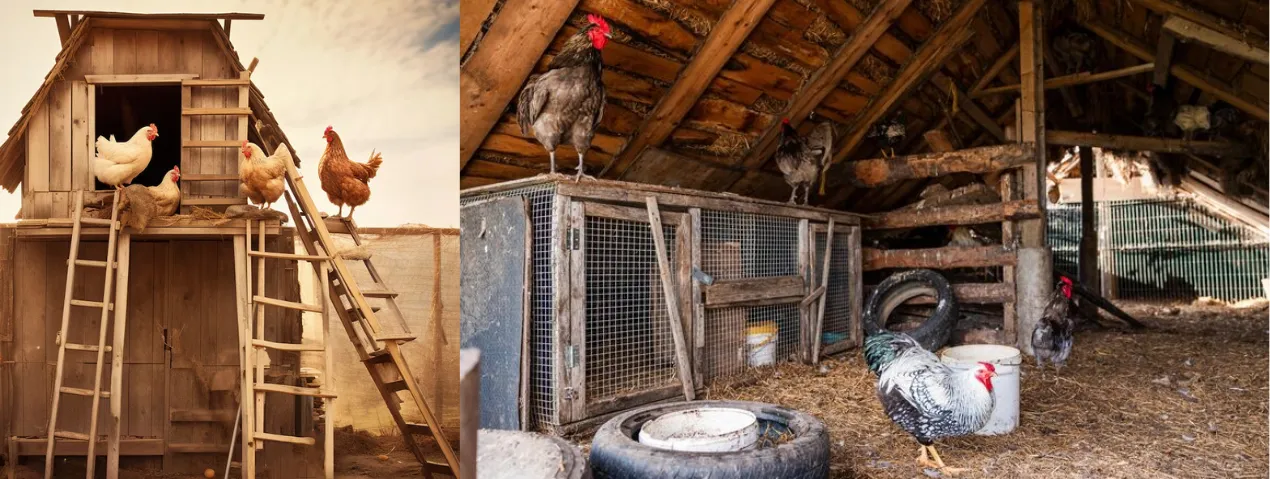
Choosing the right chicken coop is one of the most important decisions for anyone raising backyard chickens.
Choosing the right chicken coop is one of the most important decisions for anyone raising backyard chickens. The size and design of your coop directly affect your flock’s comfort, safety, egg production, cleanliness, and long-term health. Whether you are starting with two hens or planning a flock of twelve chickens, selecting the right setup from the beginning can save time, money, and frustration later.
Many first-time chicken owners underestimate how quickly a flock can grow. What begins as a simple hobby with a few hens often expands into a larger backyard flock once families experience the benefits of fresh eggs and sustainable living. That is why understanding coop sizing and planning for future growth is essential.
In this coop size guide for chickens, we will break down how coop requirements change as your flock grows, what features matter most at each stage, and how to choose the best chicken coop for backyard chickens based on your needs.
Why Chicken Coop Size Matters
A properly sized coop is more than just a shelter. Chickens need enough room to sleep, nest, eat, and move comfortably without stress. Overcrowding can lead to several problems, including:
- Aggressive pecking behavior
- Increased illness and parasite spread
- Reduced egg production
- Dirty nesting areas
- Stress and feather loss
- Poor ventilation and moisture buildup
The general recommendation is that each chicken should have at least:
- 2 to 4 square feet inside the coop
- 8 to 10 square feet in the outdoor run
However, these numbers can vary depending on breed size, climate, and how often the chickens free-range outside the coop.
When choosing a coop, it is also important to think beyond the current number of birds you own. Many chicken keepers eventually add more hens, which makes expandable or larger coop designs especially valuable.
Choosing a Coop for 2 to 4 Chickens
Small backyard flocks are ideal for beginners. A flock of two to four hens can provide a steady supply of fresh eggs for a small household while remaining easy to manage.
At this stage, compact and efficient coop designs work best. The focus should be on safety, weather protection, easy cleaning, and enough nesting space for a few birds.
What Small Flocks Need
For a small flock, you should prioritize:
- Elevated sleeping areas
- Proper ventilation
- Predator-resistant construction
- Easy-access nesting boxes
- Compact footprint for smaller yards
- Simple cleaning systems
A beginner flock usually does not require a massive coop, but it still needs enough room to avoid overcrowding.
Ideal Coop Choice for Small Flocks
The 65" Wooden Hen House with Nesting Box and Run is an excellent starter option for backyard chicken owners with two to four hens.
Its compact design works especially well for urban and suburban backyards where space may be limited. The integrated nesting box and attached run help simplify flock management for first-time owners.
This style of coop offers several advantages for beginners:
- Efficient use of backyard space
- Elevated housing for weather protection
- Easy egg collection through nesting box access
- Secure enclosed run for daytime movement
- Beginner-friendly maintenance
For families just starting their backyard chicken journey, a smaller coop can provide everything necessary without overwhelming maintenance demands.

How Many Chickens Fit in a Coop?
One of the most common questions new chicken owners ask is how many chickens fit in a coop. Unfortunately, many coop manufacturers advertise unrealistic maximum capacities.
A coop advertised for six chickens may only comfortably house four birds if you want healthy long-term living conditions.
Here are some realistic guidelines:
Small Coops
Best for:
- 2 to 4 chickens
- Small backyards
- Beginner chicken keepers
Medium Coops
Best for:
- 4 to 8 chickens
- Growing families
- Backyard hobby farms
Large Walk-In Coops
Best for:
- 8 to 12 chickens
- Serious egg production
- Homesteads and larger properties
When evaluating coop size, always consider:
Interior sleeping area
Number of nesting boxes
Outdoor run space
Roosting bar capacity
Future flock expansion
Choosing slightly larger than your current needs often creates a healthier and more manageable environment for your chickens.

Choosing a Coop for 5 to 8 Chickens
Once your flock grows beyond four hens, your housing needs begin to change significantly. Medium-sized flocks require more flexibility, additional nesting areas, and more outdoor space for healthy movement.
This stage is where many chicken owners realize their starter coop is no longer large enough.
What Mid-Sized Flocks Need
As flock size increases, coop design becomes more important. Chickens establish social hierarchies, and overcrowding can quickly create stress and aggression.
Mid-sized flocks benefit from:
- More roosting space
- Larger runs
- Better ventilation
- Easier cleaning access
- Modular or expandable designs
- Greater mobility for lawn protection
Mobility becomes especially important for homeowners who want to rotate grazing areas and avoid dead patches of grass.
Ideal Coop Choice for Growing Flocks
The 78.7" Combinable Wooden Chicken House with Wheels is designed for flexibility and expanding backyard flocks.
Unlike fixed-position coops, a wheeled chicken coop allows owners to move the structure around the yard. This helps chickens access fresh ground while reducing waste buildup in one location.
The combinable design also supports flock expansion over time, making it ideal for chicken keepers who plan to add more birds later.
Benefits of this style include:
- Easy relocation around the yard
- Improved ground conditions
- Flexible expansion options
- Better airflow and cleanliness
- Increased outdoor movement for chickens
For medium-sized flocks, movable coops create a balance between space efficiency and flock health.

Why Expandable Chicken Coops Matter
One mistake many backyard chicken owners make is buying only for their immediate needs. Chickens are highly addictive pets, and flocks often grow faster than expected.
An expandable coop helps avoid the cost of replacing your entire setup later.
Signs You May Need More Coop Space Soon
You may outgrow your coop if:
- Chickens fight frequently
- Nesting boxes become overcrowded
- Birds sleep in nesting boxes instead of roosts
- Feathers appear damaged from pecking
- Coop cleaning becomes difficult
- Egg production drops unexpectedly
Modular or expandable designs provide flexibility while supporting healthier flock conditions.
For growing families or hobby farmers, planning ahead can save considerable money and effort over time.
Choosing a Coop for 8 to 12 Chickens
Larger flocks require a completely different approach to coop design. Once you reach eight to twelve chickens, walk-in accessibility, larger nesting systems, and superior ventilation become essential.
At this stage, your chickens produce significantly more waste, require more airflow, and need larger movement areas to stay healthy.
What Large Flocks Need
Large backyard flocks benefit most from:
- Walk-in cleaning access
- Multiple nesting boxes
- Spacious outdoor runs
- Heavy-duty predator protection
- Durable weather-resistant materials
- Strong ventilation systems
Large flocks also demand easier maintenance. Crawling into small coops for cleaning quickly becomes impractical when managing ten or more birds.
Ideal Coop Choice for Larger Flocks
The Large Walk-In Chicken Coop for 8–12 Chickens with 8 Nesting Boxes is designed for serious backyard poultry keeping.
This type of coop works especially well for:
- Large families
- Homesteaders
- Hobby farms
- Egg-selling households
- Multi-breed flocks
The walk-in structure makes feeding, cleaning, and egg collection far easier than smaller compact coops.
Key advantages include:
- Spacious standing room for owners
- Multiple nesting boxes to reduce crowding
- Large enclosed run areas
- Better long-term durability
- Easier flock management
- Improved ventilation and airflow
For larger flocks, convenience becomes just as important as chicken comfort. A walk-in coop reduces maintenance difficulty while improving overall organization.
Best Chicken Coop Features to Look For
No matter your flock size, certain features consistently improve the chicken-keeping experience.
Proper Ventilation
Good airflow prevents moisture buildup, ammonia accumulation, and respiratory illness. Coops should allow fresh air circulation without exposing chickens to drafts.
Predator Protection
Secure wire mesh, sturdy locks, and elevated sleeping areas help protect chickens from common predators.
Easy Cleaning Systems
Removable trays, walk-in access, and accessible doors make regular cleaning faster and more manageable.
Nesting Boxes
Most hens share nesting boxes comfortably. A good rule is one nesting box per three to four hens.
Weather Resistance
UV-resistant roofing and durable wood construction help coops withstand changing weather conditions throughout the year.
Mobility
Wheeled coops allow for rotational grazing and healthier yard maintenance.
Backyard Space Considerations
Before purchasing a coop, evaluate your available outdoor space carefully.
Small Urban Backyards
Compact coops work best where space is limited. Smaller flocks are easier to manage and create less noise and waste.
Suburban Yards
Mid-sized coops with runs provide a balance between flock size and manageable maintenance.
Rural Properties and Homesteads
Larger walk-in coops support bigger flocks, expanded egg production, and long-term poultry keeping goals.
Matching your coop size to your property helps maintain both chicken health and neighborhood harmony.
Common Mistakes When Choosing a Chicken Coop
Many beginners make the same mistakes when buying their first coop.
Buying Too Small
Small coops may save money initially but often require replacement within a year as flocks grow.
Ignoring Cleaning Access
If cleaning the coop feels difficult, maintenance often becomes inconsistent.
Overlooking Ventilation
Poor airflow contributes to moisture, odors, and disease.
Choosing Weak Materials
Thin wood and weak mesh may fail against predators or harsh weather.
Forgetting Future Expansion
Many owners eventually add more chickens. Planning for growth avoids unnecessary upgrades later.
Planning for Long-Term Chicken Keeping
Chicken ownership often evolves from a small hobby into a rewarding long-term lifestyle. As confidence grows, many owners expand their flock, experiment with different breeds, or increase egg production for family and friends.
Choosing the right coop from the start helps support that journey.
For beginners, a compact coop offers simplicity and manageable care. For growing flocks, modular and movable designs provide flexibility. For larger backyard farms, spacious walk-in coops create efficient long-term management systems.
The best chicken coop is not simply the largest one available. It is the coop that fits your flock size, property, future goals, and maintenance preferences.
Final Thoughts
Selecting the right chicken coop based on flock size is one of the most important investments backyard chicken owners can make. A properly sized coop improves chicken health, egg production, cleanliness, and overall flock happiness.
For small flocks of two to four hens, compact starter coops provide an efficient and beginner-friendly solution. For growing flocks, expandable movable coops offer flexibility and healthier outdoor management. For larger groups of eight to twelve chickens, spacious walk-in coops simplify cleaning, organization, and daily care.
By understanding how your housing needs evolve as your flock grows, you can make smarter long-term decisions and create a safer, healthier environment for your chickens.
Whether you are raising a few hens for fresh eggs or building a thriving backyard flock, the right coop makes all the difference.
live smarter
Shop smarter, live better, and stay ahead of the trends with our reliable recommendations!


Fitness and Sports
7 min read
Teeter Home Fitness Essentials: FitSpine LX9, FreeStep LT7, and ProFlex 432 for Recovery, Cardio, and Strength

trending
Health and Beauty
8 min read
From Tummy Time to Toddler Play: Creating a Comfortable Everyday Play Space
Home and Decor
7 min read
Small Apartment Lighting Ideas That Maximize Space and Style
Gadgets and Tech
9 min read
Happy Customers Can Become Your Strongest Online Proof
Fashion
9 min read
A Smarter Way to Pack for Your Next Round of Golf
Fitness and Sports
15 min read
How to Make a Daily Vitamin Routine More Enjoyable and Consistent
Travel
7 min read