
Home and Decor
9 min read
Beyond Basic Kibble: Building a Better Everyday Feeding Routine for Dogs
June 18 , 2025
By Sienna Claire

A dog's daily feeding routine plays an important role in overall well-being. From maintaining energy throughout the day to supporting digestion and healthy ageing, the right food and consistent feeding habits can make a meaningful difference. Yet choosing dog food involves more than selecting a familiar bag from the shelf. Factors such as age, activity level, digestive sensitivities, and individual nutritional requirements all deserve consideration.
A dog's daily feeding routine plays an important role in overall well-being. From maintaining energy throughout the day to supporting digestion and healthy ageing, the right food and consistent feeding habits can make a meaningful difference. Yet choosing dog food involves more than selecting a familiar bag from the shelf. Factors such as age, activity level, digestive sensitivities, and individual nutritional requirements all deserve consideration.
A thoughtful feeding routine starts with understanding what a dog needs at its current life stage. Adult dogs may benefit from a consistent, balanced diet, while dogs with sensitive digestive systems may require more careful food selection. Senior dogs, meanwhile, can experience changes in activity, appetite, and body condition that influence their dietary needs.
With a more informed approach, pet owners can create practical feeding habits that support their dogs over time. Products such as Omni's Sensitive Adult Dry Food, Adult Dog Food, and Senior Dog Food offer relevant options to explore when considering different feeding requirements.
Why a Thoughtful Dog Feeding Routine Matters
Food provides the nutrients dogs need to support everyday bodily functions, maintain muscle, and remain active. However, good nutrition depends on more than the food itself. Portion sizes, meal frequency, access to fresh water, and consistency also contribute to a suitable feeding routine.
Feeding at approximately the same times each day can help establish predictability. It also makes it easier to notice changes in appetite, eating speed, or food preferences. These observations may help identify when a dog's routine needs attention.
Portion control is equally important. Feeding amounts should reflect the food's calorie content, the dog's weight, activity level, age, and body condition. Treats and table scraps should be considered as part of total daily calorie intake rather than extras without nutritional consequences.
A well-planned routine does not need to be complicated. It should provide appropriate nutrition, consistent meal times, and enough flexibility to accommodate a dog's changing needs.
Understanding What Makes a Dog Food Suitable
Dog food labels can contain a considerable amount of information, but knowing what to look for makes comparisons easier. A suitable everyday diet should provide the nutrients required for the dog's life stage and be appropriate for its individual circumstances.
Look Beyond the Front of the Package
Marketing terms and appealing ingredient descriptions do not tell the entire nutritional story. Pet owners should review the nutritional adequacy statement, feeding instructions, ingredient information, and calorie content when available.
A food labelled as complete and balanced for the appropriate life stage can help simplify everyday feeding decisions. When questions arise about nutritional suitability, a veterinarian can provide guidance based on the dog's health, weight, and lifestyle.
Consider Digestive Comfort
Digestive sensitivities can make choosing food more challenging. Some dogs experience intermittent loose stools, gas, vomiting, or other gastrointestinal signs that require attention. Diet may be one factor, although infections, parasites, allergies, and other medical conditions can also cause similar symptoms.
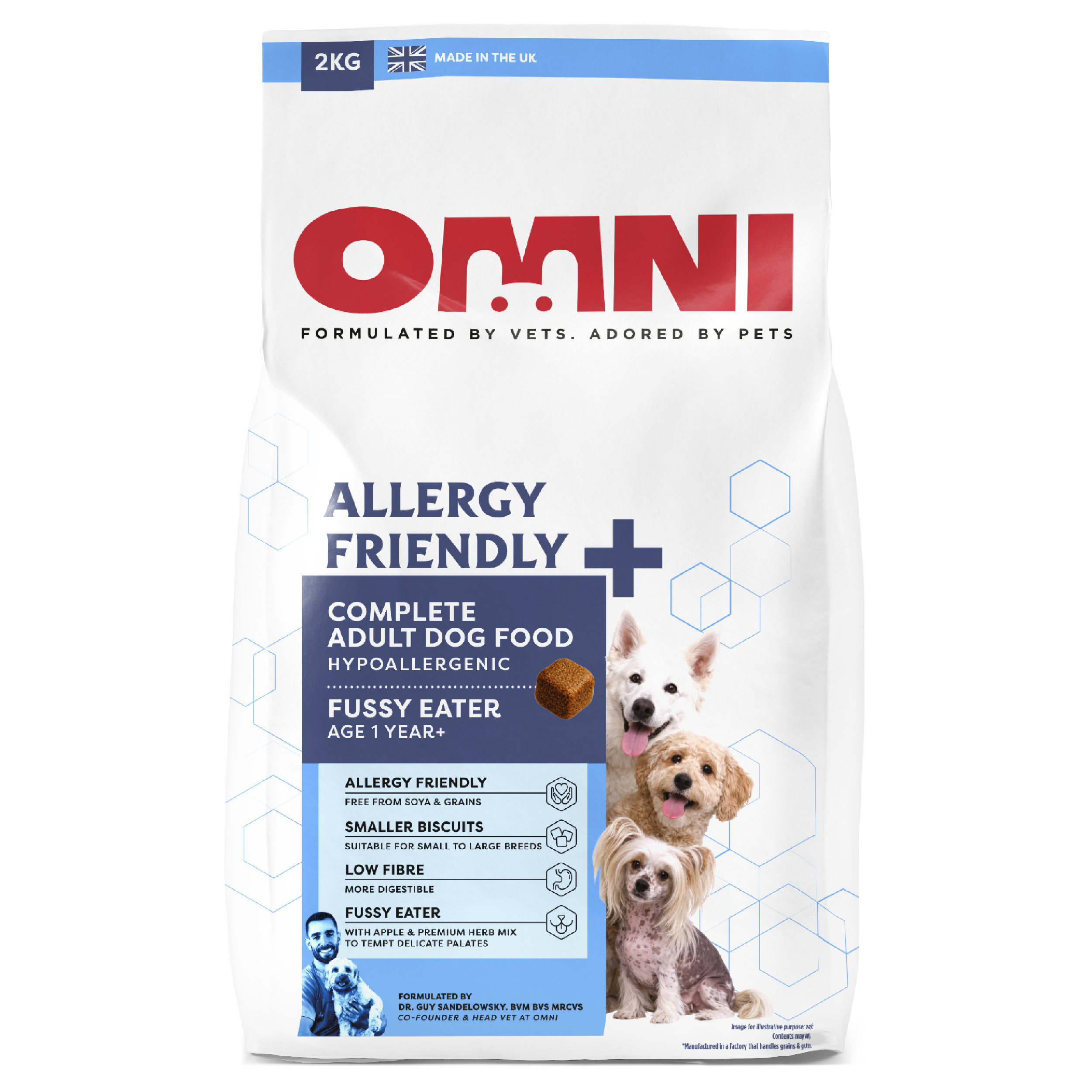
Omni's Sensitive Adult Dry Food is a relevant option to investigate for adult dogs whose owners are considering food formulated with sensitivities in mind. Reviewing its specific ingredients, nutritional information, and feeding recommendations can help determine whether it suits an individual dog's needs.
Persistent digestive symptoms should not automatically be attributed to food intolerance. Veterinary advice is important before making major dietary changes, particularly when symptoms are severe or recurring.
Choosing Everyday Nutrition for Adult Dogs
Adulthood is a stage when a consistent feeding routine can help support muscle maintenance, energy levels, and a healthy body condition. Although individual requirements vary, adult dogs generally benefit from a complete diet that supplies suitable amounts of protein, fats, vitamins, and minerals.
Activity level is an important consideration. A highly active dog may require more energy than a companion dog that spends most of the day indoors. Portion sizes should therefore be adjusted according to the dog's needs rather than relying exclusively on a standard feeding chart.
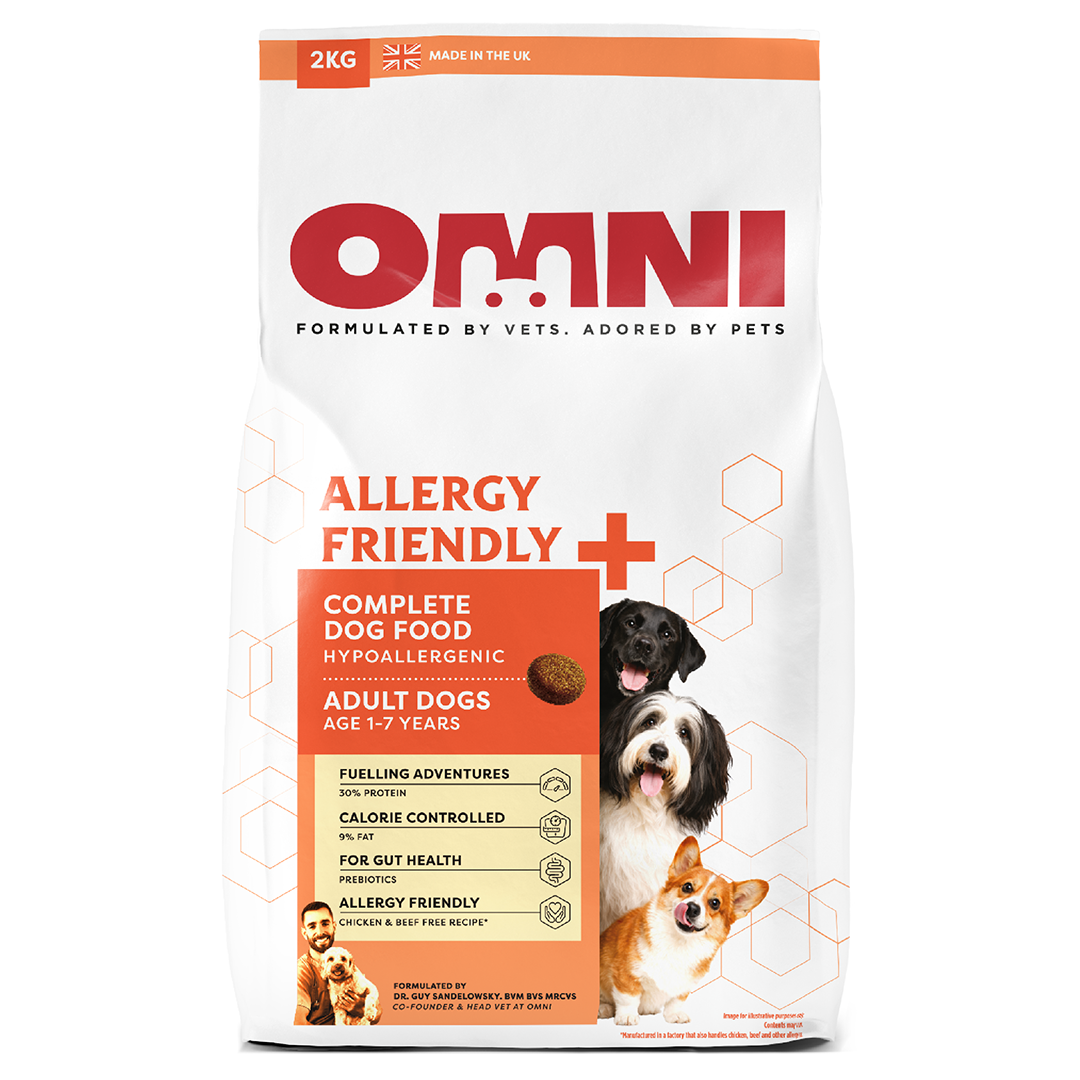
Omni Adult Dog Food is designed for adult dogs aged one to seven years. According to the brand, its formula contains 30% protein and 9% fat, with ingredients selected to provide complete nutrition while addressing common food sensitivities.
Omni
These characteristics make it an option worth considering when comparing everyday dry dog foods.
A suitable adult formula can simplify daily feeding, but consistency remains essential. Regular meals, measured portions, fresh drinking water, and appropriate exercise work together to support a dog's general well-being.
Adjusting Food Choices as Dogs Grow Older
A dog's nutritional requirements may change with age. Older dogs can become less active, experience changes in muscle mass, or develop health concerns that influence their dietary needs. Some may also become more sensitive to particular ingredients or experience changes in appetite.
Senior dog food is designed to account for some of these differences. Depending on the formula, it may offer a different balance of calories, protein, and fat to help support an ageing dog's condition.
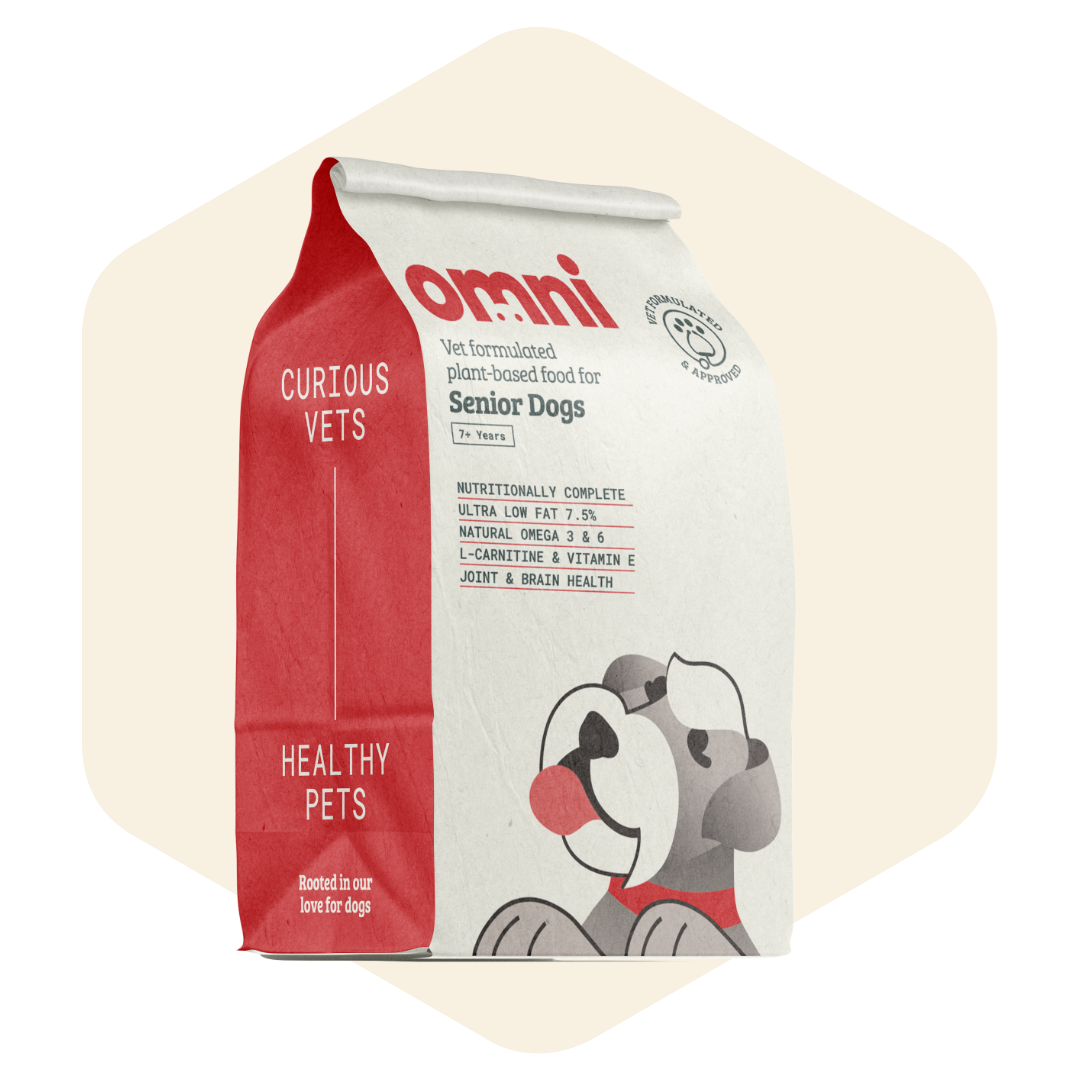
Omni Senior Dog Food is formulated for dogs aged seven and older. Its published nutritional information lists 26% protein and 7.5% fat, with the formula designed to support senior dogs while providing complete daily nutrition.
Omni+1
These figures provide a useful starting point for comparing foods, but the most appropriate diet depends on the individual dog. An older dog that remains very active may have different energy requirements from one that has become less mobile. Dogs with kidney disease, diabetes, or other medical conditions may also need specific veterinary dietary guidance.
Age alone does not determine the ideal food. Body condition, health history, activity, and veterinary recommendations should all influence the decision.
Practical Ways to Improve Daily Feeding Habits
Choosing a suitable formula is only one part of a well-managed feeding routine. Everyday habits can help make mealtimes more predictable and support better monitoring of a dog's nutritional needs.
Establish Consistent Meal Times
Regular meal times help create structure throughout the day. Depending on the dog's age, health, and feeding requirements, daily food may be divided into two or more meals.
A predictable schedule can also make changes in appetite easier to identify. If a dog repeatedly leaves food untouched or suddenly appears unusually hungry, monitoring the pattern can help determine whether further attention is needed.
Measure Portions Carefully
Free-pouring kibble into a bowl can make portion sizes difficult to track. Measuring food according to the product's feeding guide provides a more reliable starting point.
The recommended amount may need adjustment as a dog's weight, activity, or health changes. Periodically checking body condition can help identify whether portions remain appropriate.
Treats should also be included in the overall feeding plan. Excessive treats can contribute unnecessary calories and make it harder to maintain a healthy weight.
Introduce Dietary Changes Gradually
Changing food suddenly can upset some dogs' digestive systems. A gradual transition gives the digestive system time to adjust to a new formula.
Omni recommends transitioning to its dry food by mixing increasing proportions of the new food with the existing diet over several days. Its guidance also suggests a slower transition for dogs with particularly sensitive stomachs.
Omni+1
During this period, monitoring appetite, stool consistency, and general comfort can help identify potential problems. Persistent vomiting, diarrhoea, or other concerning symptoms warrant veterinary advice.
Keep Fresh Water Available
Hydration is another essential part of a dog's daily routine. Fresh, clean water should remain accessible throughout the day, including around mealtimes and after exercise.
Changes in drinking habits may sometimes indicate an underlying health issue. A noticeable increase or decrease in water consumption should be discussed with a veterinarian, especially if accompanied by changes in urination, appetite, or energy.
What to Consider When Comparing Dog Food Brands
A useful comparison involves more than price, packaging, or ingredient claims. Nutritional completeness, life-stage suitability, feeding requirements, and the dog's individual response all deserve attention.
Omni offers different dry-food options for adult dogs, dogs with sensitivities, and senior dogs. Its Sensitive Adult Dry Food is positioned for adult dogs with sensitive stomachs or skin concerns, while the standard Adult Dog Food supports everyday adult feeding. Senior Dog Food addresses the nutritional considerations associated with ageing.
Omni+2
Before selecting a formula, pet owners can review the following factors:
- Life stage: Confirm that the food is intended for the dog's current age and nutritional requirements.
- Nutritional adequacy: Check whether the formula provides complete and balanced nutrition for the relevant life stage.
- Ingredient suitability: Consider known allergies, intolerances, and previous dietary reactions.
- Calorie content: Compare energy levels and feeding instructions to help maintain an appropriate body condition.
- Professional guidance: Seek veterinary advice when health conditions or persistent symptoms influence dietary decisions.
These considerations create a more dependable basis for choosing food than relying on promotional descriptions alone.
Building a Feeding Routine That Can Adapt Over Time
A dog's feeding routine should evolve alongside its needs. Regular weight checks, observation of appetite, and attention to energy levels can help identify when a change may be appropriate.
For example, an adult dog that develops recurring digestive symptoms may need a veterinary assessment and a closer review of its diet. An older dog that becomes less active may require adjusted portions or a different nutritional formula. In both situations, changes should be guided by the dog's condition rather than age or symptoms alone.
Keeping track of food portions, treats, and noticeable changes in digestion can also make veterinary consultations more productive. This information helps establish whether the existing routine remains suitable or requires adjustment.
The aim is not to change a dog's food unnecessarily, but to provide nutrition that remains appropriate as circumstances change.
Conclusion
Building a better everyday feeding routine involves thoughtful food selection, measured portions, consistent mealtimes, and regular attention to a dog's changing needs. Digestive sensitivities, activity levels, age, and overall health all influence which formula may be appropriate.
Omni's Sensitive Adult Dry Food, Adult Dog Food, and Senior Dog Food provide three options to explore when comparing nutrition for adult dogs with different requirements and for dogs entering their senior years. Reviewing product information and consulting a veterinarian when necessary can help support a more informed decision.
Ultimately, a successful feeding routine is one that delivers suitable nutrition, supports a healthy body condition, and adapts to the individual dog's needs throughout life.
live smarter
Shop smarter, live better, and stay ahead of the trends with our reliable recommendations!


Health and Beauty
8 min read
Ancestral Nutrition for Modern Women: A Practical Guide to Everyday Wellness



Fitness and Sports
7 min read
Teeter Home Fitness Essentials: FitSpine LX9, FreeStep LT7, and ProFlex 432 for Recovery, Cardio, and Strength

trending
Health and Beauty
8 min read
A Complete Guide to Men’s Sexual Health: Erectile Dysfunction, Premature Ejaculation, and Testosterone Support
Gadgets and Tech
9 min read
Happy Customers Can Become Your Strongest Online Proof
Fashion
9 min read
A Smarter Way to Pack for Your Next Round of Golf
Home and Decor
6 min read
Simple Kitchen Essentials That Make Home Cooking Easier
Fitness and Sports
15 min read
How to Make a Daily Vitamin Routine More Enjoyable and Consistent
Travel
7 min read