
Health and Beauty
6 min read
Feel Calm, Stay Hydrated, and Get Radiant Skin This Winter
June 30 , 2025
By Sienna Claire

Winter changes how your body asks for water. Cold air dulls thirst, indoor heating dries your skin, and before you realize it, hydration slips lower than it should. You may notice tight skin, dull tone, restless sleep, or a feeling of low energy that seems to linger no matter how much rest you get. These signs often trace back to one overlooked habit: hydration that supports your body beyond surface level.
Staying hydrated during winter is not just about drinking more water. Your body needs support that helps hold moisture inside your cells, calm your nervous system, and protect your skin barrier from seasonal dryness. When hydration drops, stress can feel heavier, and your skin loses its natural glow.
This is where thoughtful hydration routines make a difference. Some people turn to structured hydration support like those created by Pique Life, which focus on hydration at both the cellular and skin level. When hydration is handled with intention, winter becomes easier on your body, your mood, and your skin.
Why Winter Makes Hydration Harder Than You Think?
Cold weather hides dehydration well. You sweat less, crave fewer cold drinks, and often rely on hot beverages that may not hydrate effectively. At the same time, heated indoor air pulls moisture from your skin and lungs throughout the day and night. Even mild dehydration can affect how your body feels and functions.
Water supports nutrient delivery, waste removal, and temperature balance. When hydration drops, these systems slow. You may feel sluggish, irritable, or mentally foggy without realizing hydration is part of the problem. Winter dehydration often builds quietly until skin dryness or fatigue becomes hard to ignore.
Hydration and Your Sense of Calm
Your brain depends heavily on water to regulate mood and focus. Even small fluid losses can influence how your nervous system responds to stress. When hydration is low, stress signals can feel louder, and recovery feels slower.
Hydration helps your nervous system stay regulated. When fluid levels are steady, your body handles pressure with more ease, sleep becomes deeper, and emotional swings soften. This matters more in winter, when reduced sunlight and routine changes already challenge emotional balance.
Supporting hydration alongside calming nutrients can help your body stay steady instead of reactive. This creates a feeling of ease that carries through your day and into restful nights.
How Hydration Shapes Skin Health in Cold Weather?
Your skin reflects your hydration status quickly. In winter, dryness often appears as flaking, tightness, rough texture, or loss of brightness. Topical products help, but lasting hydration starts inside your body.
Skin cells rely on water to stay flexible and smooth. When cells are hydrated, skin appears fuller and more resilient. When hydration drops, fine lines appear more visible, and your skin barrier weakens.
Certain nutrients help your skin hold moisture more effectively. Hyaluronic acid binds water inside the skin, keeping it supple. Ceramides strengthen the skin barrier, slowing moisture loss caused by cold wind and dry air. Supporting these from within helps your skin retain hydration longer and maintain a healthy glow.
Daily Habits That Support Better Winter Hydration
Small changes can greatly improve hydration during colder months.
Start your morning hydrated
After hours of sleep, your body wakes mildly dehydrated. Drinking water soon after waking helps restart circulation and digestion. Adding minerals improves how well your body absorbs and retains that water.
Sip consistently instead of drinking large amounts at once
Steady hydration keeps your cells balanced. Waiting until thirst appears often means dehydration has already begun.
Eat foods with high water content
Soups, stews, citrus fruits, and vegetables contribute hydration while supporting digestion and warmth. These foods make hydration easier and more enjoyable during winter.
Adjust for indoor heating and movement
Long hours in heated spaces and physical activity increase fluid loss. Keep water nearby at home and work, especially if your skin feels dry or your throat feels scratchy.
Support hydration with minerals
Electrolytes like sodium, potassium, and magnesium help water move into cells where it is needed most. Without them, water passes through quickly instead of hydrating deeply.
Nutrients That Help You Stay Hydrated from Within
Hydration depends on more than water volume.
Magnesium supports nerve relaxation, muscle function, and fluid balance. Certain forms are known to support calmness and sleep quality, making hydration feel more restorative instead of stimulating.
Hyaluronic acid naturally attracts and holds water in the skin and connective tissues. When supported internally, skin often feels softer and appears more luminous.
Ceramides reinforce your skin barrier, helping it resist moisture loss caused by cold air and wind.
Together, these nutrients help hydration last longer and work more efficiently inside your body.
When Structured Hydration Support Makes Sense
Sometimes water and food are not enough to maintain hydration during winter. Dry air, stress, and disrupted routines can make it harder for your body to retain moisture, even if you drink regularly. In these moments, targeted hydration support can help fill the gaps that daily habits miss.
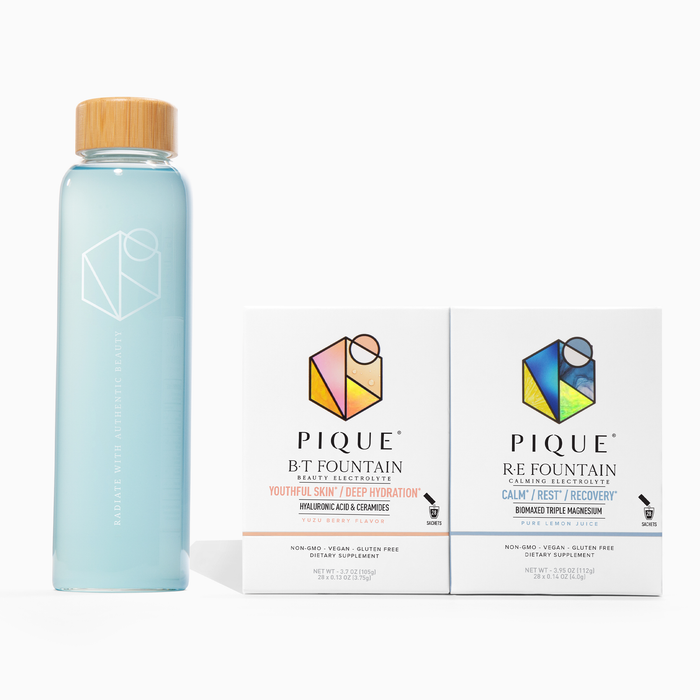
Deep Hydration Protocol by Pique Life is designed specifically for this kind of seasonal challenge. The protocol follows a day and night structure that supports hydration when your body needs it most. The daytime formula focuses on beauty hydration by combining electrolytes with clinically studied ceramides and hyaluronic acid. These ingredients help your skin hold moisture, improve softness, and support a smoother, more radiant appearance rather than relying on surface hydration alone.
The nighttime formula centres on magnesium in highly absorbable forms that support relaxation, nervous system balance, and cellular hydration while you rest. This helps your body recover overnight, supports deeper sleep, and prepares your skin and nervous system for the next day.
By pairing hydration with minerals and skin supportive compounds, this protocol addresses hydration at both the cellular and structural level. Instead of forcing more water through your system, it helps your body use hydration more effectively, which can feel especially supportive during colder months when dryness and stress tend to build.
Creating a Winter Hydration Routine That Works
Winter hydration requires intention. Cold air, indoor heating, and muted thirst signals all work against your body’s natural balance. When hydration drops, your skin, mood, and energy often show the signs first.
Supporting hydration means thinking beyond water alone. Consistent sipping, hydrating foods, and mineral support help your body retain moisture where it matters most. When hydration works at the cellular level, your skin stays smoother, your thoughts feel clearer, and your nervous system stays more relaxed.
Hydration routines that combine daily habits with thoughtful nutritional support can make winter easier on your body. Approaches like those created by Pique Life align hydration with your body’s natural rhythms, supporting both calmness and skin radiance during colder months.
When hydration is handled with care, winter no longer feels like a season you need to endure. It becomes a season where your body stays balanced, comfortable, and well supported.
Support winter hydration with simple habits and skin focused care from Pique Life to stay calm, hydrated, and radiant all season.
live smarter
Shop smarter, live better, and stay ahead of the trends with our reliable recommendations!

Fashion
2 min read
How to Refresh Your Vacation Wardrobe with the A Nossa Tarde 2026 Jose Raposo Printed Resort Shirt

Health and Beauty
7 min read
The Subscription Trap: How the Average User Loses $300+ Per Year Without Realizing It




trending
Health and Beauty
6 min read
True Nature Meats Custom Bundle Builder Review: Build a Premium Meat Box That Fits Your Lifestyle
Fashion
2 min read
How to Refresh Your Golf Style with the Jae Bowers 2026 Women’s PGA Championship Polo Shirt
Gadgets and Tech
7 min read
Upgrade Your Ride with Flashark Racing: Performance Parts That Actually Make a Difference
Home and Decor
11 min read
How Smart Pet Technology Is Changing the Way We Care for Cats at Home
Travel
7 min read
Topoak Rooftop Tents Review: Galaxy Pro vs Stellar (Galaxy 2.0) vs Nebula X‑Frame
Fitness and Sports
7 min read